KJ's Collectables LLC.
Buy, Sell. Trade, Consign and More!
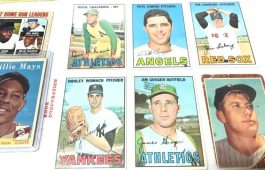
Sports card collecting looks simple from the outside. You buy a pack, find a player you recognize, and put the card somewhere safe. Then you notice rookie cards, parallels, numbered cards, autographs, grading labels, and prices that change from one listing to the next.
That is why Thinking About Collecting Sports Cards? Here’s Where Most Beginners Start is really a guide about narrowing your focus. You do not need to understand the entire hobby before buying your first card. You need a reason for collecting, a comfortable budget, and enough basic knowledge to avoid expensive early mistakes.
Most beginners start with a connection, not a spreadsheet. It may be a favorite team, an athlete they watched growing up, a promising rookie, or a sport they follow every week. That connection gives the collection direction and makes each purchase feel meaningful.
In our experience, beginners enjoy the hobby more when they can explain why a card belongs in their collection. “I collect Cleveland baseball players” is a better starting point than “I buy anything that might increase in value.” The first approach creates a collection. The second can quickly create an expensive pile of unrelated cards.

There is nothing wrong with caring about value, but collecting and investing are not identical. A collector may keep a favorite player’s card even if its price falls, while an investor is focused on demand, timing, and resale potential.
Many people fall somewhere in the middle. They want cards they enjoy owning without overpaying. That balanced approach is often the healthiest place for a beginner to begin.
The hobby becomes easier when you start with one lane. You could collect a player, team, rookie class, vintage era, autograph type, complete set, or specific brand. A smaller focus helps you learn prices and recognize what fits your collection.
A football fan might collect rookie quarterbacks. A baseball fan may build one team set from every season. Someone returning to the hobby might chase cards remembered from childhood, only in better condition.
You can expand later. Most collectors do. First, spend enough time in one area to understand its players, products, card designs, and typical prices.
Opening packs is fun. There is suspense in every wrapper, and pulling a rare card creates a memorable moment. However, packs are unpredictable, and most will not contain the exact card you hoped to find.
Buying singles means purchasing individual cards you actually want. For beginners, this is usually the more controlled way to build a focused collection. Instead of repeatedly paying for a chance at one card, you can compare prices and buy it directly.
One practical approach is to use most of your budget for singles and reserve a smaller amount for packs. That keeps the hobby entertaining without letting chance control every purchase.

A base card belongs to the standard set. An insert has a separate theme or design, while a parallel is an alternate version of a base card, often featuring a different color, finish, or print quantity.
Rookie cards feature players early in their professional careers and commonly carry an “RC” logo. Numbered cards show a limited print run, such as 24/99. Autograph cards contain a signature, while relic cards include material connected to an athlete, such as a jersey swatch.
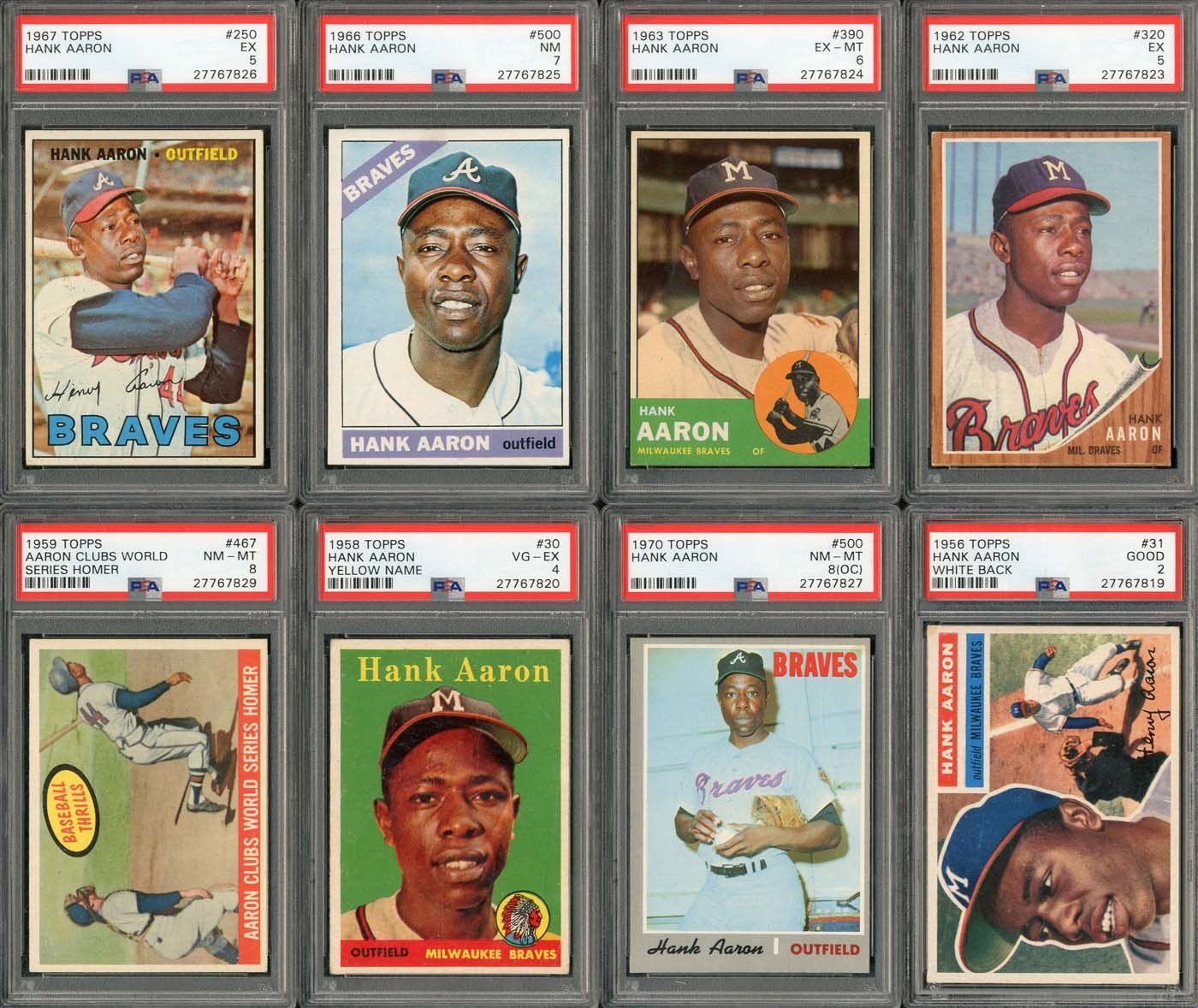
You will also hear “raw” and “graded.” Raw cards have not been professionally evaluated. Graded cards have received a condition grade and been sealed in a protective holder by a grading company.
Beginners often assume every older card or star player card should be graded. That is not true. Grading costs money, and the final result may be lower than expected because small flaws can be difficult to see.
Check the corners, edges, surface, and centering. Look for whitening, dents, scratches, print lines, stains, creases, or an image that sits noticeably closer to one border. The official PSA grading standards explain how professional graders examine condition.
Do not clean, trim, recolor, press, or otherwise alter a card. Even well-intended changes can make it ineligible for a standard numerical grade. When uncertain, ask an experienced collector or local shop to review it before submission.
An asking price is not a selling price. Anyone can list a card for an unrealistic amount, so beginners should focus on recent completed sales of the exact card. Match the year, set, player, card number, parallel, autograph status, and grade.
The same player may have several cards that look almost identical but sell for very different amounts. A base rookie, silver parallel, numbered parallel, and autographed version are separate cards. Comparing the wrong versions creates inaccurate expectations.
For a deeper explanation of scarcity, player demand, condition, and timing, read What Determines the Value of a Sports Card?. No single feature determines value on its own.
Your collecting budget should feel comfortable even if the cards never increase in value. Include supplies, shipping, taxes, and possible grading fees. Small costs add up faster than many beginners expect.
It helps to create purchase rules. You might wait 24 hours before buying an expensive card, compare several completed sales, or limit yourself to one major purchase each month. A simple record of the card, seller, date, and total cost also prevents duplicate purchases.
Penny sleeves work for basic protection, while top loaders add rigidity for better cards. Binders can help organize sets when the pages are made for cards. Store everything away from moisture, sunlight, extreme heat, and pressure.
Handle cards by their edges whenever possible. Clean, dry hands are usually better than gloves because gloves can reduce grip. Good habits formed early can preserve condition for years.

Online marketplaces offer selection, but local shops and card shows offer conversation. You can compare cards in person, ask why similar cards have different prices, and meet collectors who share your interests. That real-world exposure shortens the learning curve.
At KJ’s Collectables LLC., beginners can explore different collectibles without feeling they must know everything before walking in. People searching to Buy Collectibles Columbus OH can also benefit from seeing condition and card variations firsthand instead of relying only on listing photos.
Trading is another valuable part of the hobby. Collectors who want to Trade Collectibles in Ohio can turn unwanted cards into pieces that better fit their goals. A fair trade is not only about equal dollar value; it should make sense for both collectors.
The biggest mistake is chasing every trend. A player has one great game, prices rise, and new collectors feel pressure to buy immediately. Hype can disappear just as quickly, so research before spending heavily on a rising player.
Another mistake is grading everything. Some cards gain value from professional grading, but many are not valuable enough to justify the expense. Beginners may also overbuy sealed products, neglect storage supplies, or assume every older card is rare simply because of its age.
Do not let fear of making a mistake stop you from starting. Every experienced collector has overpaid, missed a deal, or bought a card that later declined. Make small, affordable learning decisions instead of one large purchase you do not fully understand.
During your first week, choose one team, player, sport, or set and establish a monthly budget. In the second week, learn the basic terms and research ten cards you might enjoy owning. Do not buy all ten.
In the third week, purchase one or two affordable singles and the right protective supplies. Then visit a local shop, card show, or collector group and ask questions. By the end of the month, you will better understand what genuinely interests you.
Thinking About Collecting Sports Cards? Here’s Where Most Beginners Start does not require a huge budget or encyclopedic hobby knowledge. Start with something personal, learn how to judge condition and price, and protect what you buy. A collection grows one thoughtful card at a time.