KJ's Collectables LLC.
Buy, Sell. Trade, Consign and More!
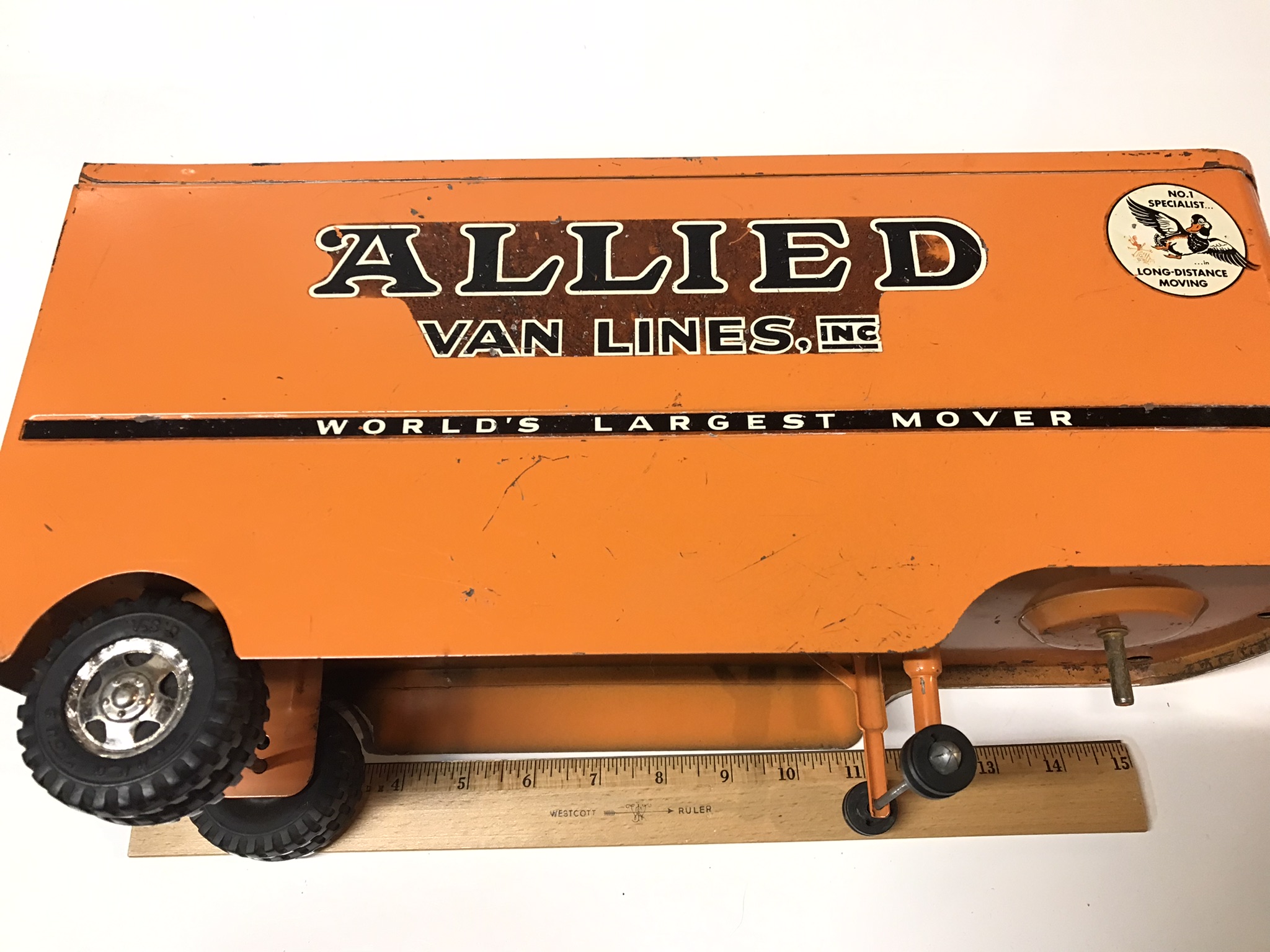
Collecting has always been about more than accumulating objects. From ancient civilizations to contemporary enthusiasts, the joy of finding, preserving and showcasing rare pieces can be deeply personal. That passion often intersects with economics: some collectibles appreciate dramatically over time, turning a hobby into an investment. With an informed strategy, collectors can enjoy their treasures while steadily building wealth. This blog looks at current market trends and answers the question “What is the most profitable thing to collect?” by examining categories that historically command strong resale value and offering guidance for building a collection that lasts.
Profitability in collecting depends on scarcity, demand, condition and authenticity. Categories such as coins, fine art, rare toys and sports memorabilia routinely outperform inflation because they’re limited in supply and have enthusiastic fan bases. For instance, an exceedingly rare 1794 Flowing Hair Silver Dollar sold for $10 million, demonstrating how old coins can be highly profitable. Similarly, a game‑worn Babe Ruth “Called Shot” jersey fetched $24.12 million in August 2024, proving sports memorabilia’s immense value. These staggering figures show that certain collectibles can become high‑yield investments when buyers seek unique pieces with historical importance.
As a collector myself, I’ve learned that the key isn’t chasing hype but recognizing long‑term value. Scarcity—whether due to limited production runs, historical context or artist exclusivity—drives demand. Condition and authenticity matter equally. Items in pristine condition with verifiable provenance command premiums. When people ask, “What is the most profitable thing to collect?” the honest answer is that profitability varies, but the categories below consistently offer strong potential when purchased wisely.
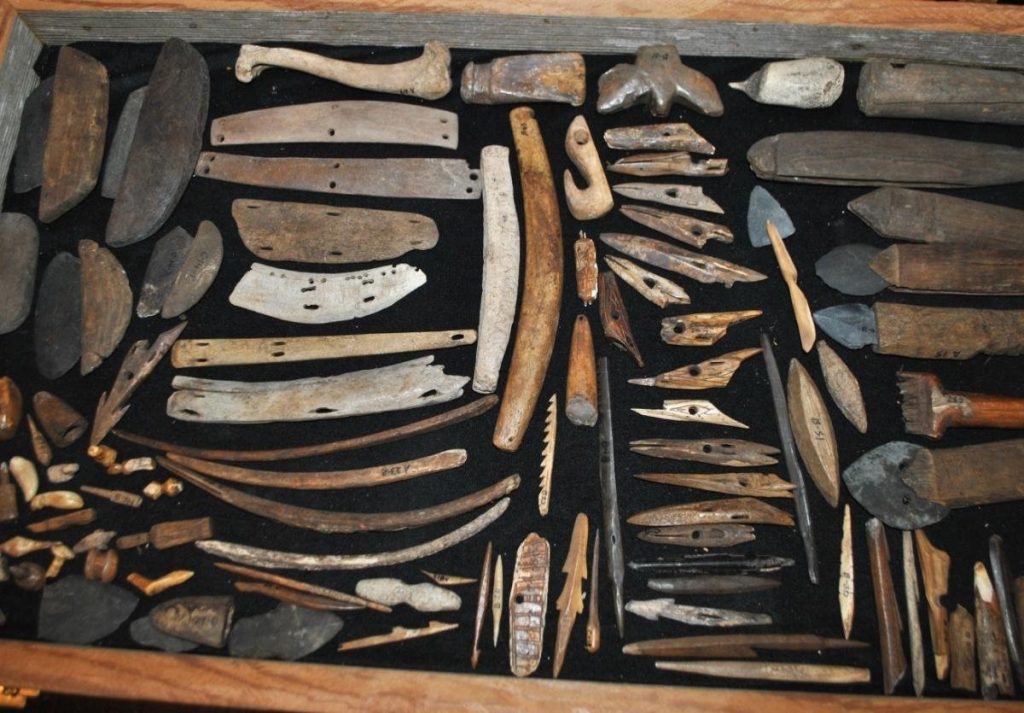
To identify profitable collectibles, consider how markets have performed recently. Fine art and investment‑grade wine remain top‑tier alternative assets. The global fine art market was valued at roughly $57.5 billion in 2024, with one‑of‑a‑kind pieces continually appreciating. High‑end wine also shows strong returns: Christie’s “Iconic Wines Part III” auction in May 2025 totaled $9.3 million and included bottles that tripled pre‑sale estimates. These categories combine rarity, prestige and tangible enjoyment, making them ideal for investors with larger budgets.
However, collectibles don’t need seven‑figure price tags to be lucrative. Rare coins, vintage comic books and limited‑edition toys can be attainable entry points. Coins tied to historical events or minted in limited batches—like commemorative issues—are smart starting points. In comics, a copy of Action Comics No. 1 sold for $6 million in April 2024, illustrating how nostalgia and cultural impact drive prices. Even sealed LEGO sets or prototype action figures can achieve record‑breaking auctions.

Demand shifts with cultural nostalgia and economic trends. Today, sports trading cards, sneakers and movie memorabilia are hot markets. Sneakers from iconic brands like Nike and Adidas, especially unworn limited releases, routinely sell for thousands. A collection of six game‑worn Air Jordans sold for $8 million in February 2024. Movie memorabilia also enjoys a renaissance: Judy Garland’s ruby slippers from The Wizard of Oz brought $28 million at auction in late 2024. These objects blend pop‑culture history with emotional resonance, making them extremely desirable.
Another exciting sector is digital integration through NFTs and gaming collectibles, though they’re beyond the scope of this post. Instead, we’ll focus on tangible assets that have decades‑long track records. Trade Card games (Pokémon, Yu‑Gi‑Oh), first‑edition books and high‑end vinyl records have all seen renewed interest. For collectors in Ohio or across the Midwest, resources like KJ’s Collectables LLC. can help identify emerging categories and provide curated pieces. Whether you want to Buy Collectibles Columbus OH or Trade Collectibles in Ohio, partnering with reputable dealers ensures authentic finds.
A well‑rounded collection balances passion and investment potential. Below is an overview of categories known to appreciate over time:
| Collectible Category | Why It’s Profitable | Example Highlight |
|---|---|---|
| Coins | Rare coins not in circulation can fetch huge sums; condition and historical significance are key | 1794 Flowing Hair Silver Dollar sold for $10 million |
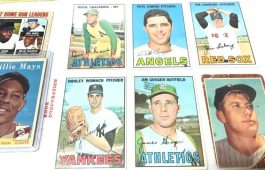
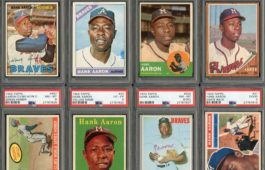
| Sports Memorabilia | Game‑used jerseys, autographed items and vintage trading cards command premium prices | Babe Ruth jersey sold for $24.12 million (2024) |
| Fine Art | Unique works are scarce; market is driven by wealthy collectors | Jeff Koons’ Rabbit sculpture sold for $91 million in 2019 |
| Vintage Toys & Pop Culture | Nostalgia fuels demand; sealed or pristine packaging adds value | Unopened 1978 Luke Skywalker figure sold for over $161,000 |
| Stamps | Limited‑edition stamps issued in small batches increase in value | Mauritius Post Office stamp sold for $12.76 million |
| Investment‑Grade Wine | Low supply and high quality mean aged wines appreciate | Henri Jayer Vosne‑Romanée sold for $416,000 per lot |
| Sneakers | Unworn limited releases or iconic game‑worn shoes skyrocket in value | Nike SB “What the Dunk” valued around $5,000 |
| Classic Cars | Rare vintage models appreciate as supply dwindles | 1955 Mercedes‑Benz 300 SLR sold for $142 million |
| Books & Comics | First editions and culturally significant titles become collectors’ gems | Action Comics No. 1 sold for $6 million |
This table offers a snapshot; profitability varies based on provenance and market conditions. Collectors should align purchases with both budget and interest.
While no investment is risk‑free, certain items demonstrate resilience. Fine art, high‑end coins and blue‑chip sports memorabilia often maintain or increase their worth because they’re tied to historical and cultural narratives. Art pieces are typically unique, making direct comparisons impossible; this scarcity protects value. Rare coins derived from limited mintages or famous errors remain desirable even in economic downturns. Similarly, historic sports memorabilia such as jerseys worn in iconic games maintain appeal across generations. Condition and authenticity remain critical—any damage or questionable provenance can erode value. Engaging with experts, appraisers and trusted dealers such as KJ’s Collectables LLC. ensures items are properly graded and preserved.
If you’re focusing on collectibles that don’t lose value, opt for items with documented scarcity, broad collector bases and cultural significance. Avoid fads with uncertain longevity. Use caution with speculative digital tokens or trendy merch that may lose relevance. In my experience, a disciplined approach—purchasing fewer but higher‑quality items—outperforms a broad scattershot strategy.
Beyond buying collectibles, many enthusiasts turn to creating items that become collectibles themselves. Limited‑run art prints, handmade jewelry and custom action figures can appreciate if they gain a loyal following. For example, early works of now‑famous street artists are sought after because their scarcity and cultural context mirror that of fine art. Similarly, independent board games or bespoke mechanical keyboards can develop cult status. While creating collectibles is riskier than buying established ones, it offers control: you set the production quantity and build your own brand. Just as the Benzinga guide notes, the investment potential of art depends on artists’ popularity and rising demand, so creators should focus on quality and unique storytelling.
Local businesses can also craft profitable items. Those with carpentry skills might build limited‑edition furniture pieces. Makers of custom sneakers or watches can partner with well‑known designers or athletes to boost desirability. For collectors in Ohio, Buy Collectibles Columbus OH and Trade Collectibles in Ohio provide avenues for showcasing locally produced collectibles, bridging creators with buyers who appreciate craftsmanship.
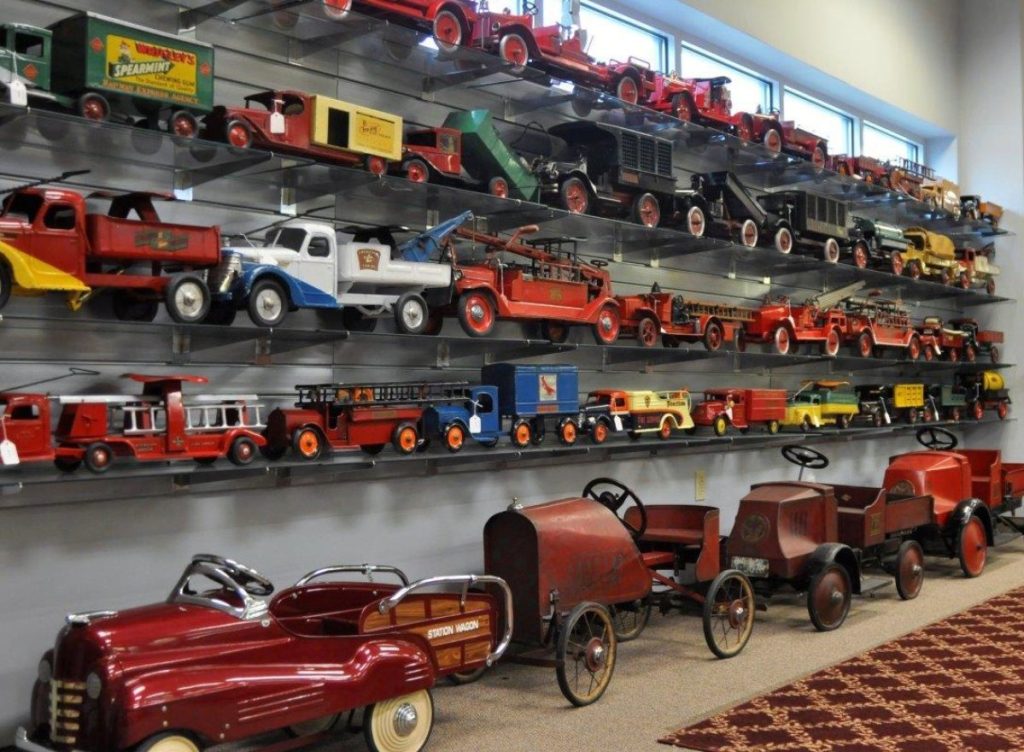
Knowing how to evaluate a collectible safeguards your investment. Rare items are inherently more valuable, but rarity alone doesn’t guarantee profit. Condition can significantly change an item’s price; mint‑condition toys in original packaging fetch much higher prices than used ones. Authenticity is paramount: misattributed or counterfeit items may look convincing but are essentially worthless. Ensure that coins, stamps or sports memorabilia come with certificates of authenticity or professional grading. When buying art or wine, obtain provenance documents showing ownership history and storage conditions.
Collectors often overlook storage, yet proper storage is vital. Fine art requires climate‑controlled environments to prevent fading and warping. Stamps and comics need acid‑free sleeves to avoid discoloration. Coins should be stored in inert holders to prevent oxidation. Many investors insure high‑value collections to protect against theft or damage. Consulting with professionals can help establish best practices, and resources like KJ’s Collectables LLC. offer guidance on appraisal and conservation.
Coins are small but potent investments. They combine historical significance with numismatic craftsmanship. For beginners, commemorative coins issued in limited numbers are accessible and often appreciate. Serious collectors chase ultra‑rare pieces like the 1913 Liberty Head nickel, whose unique production history adds intrigue. Research is essential: examine mint marks, dates and condition; consult price guides; and attend coin shows. Beware of counterfeits and cleaned coins, as even slight alterations diminish value.
Comic books and first‑edition novels transport us to different eras and universes. Their value hinges on cultural impact and condition. Early appearances of beloved superheroes fetch premium prices, and issues with iconic cover art are especially coveted. Protect comics in archival sleeves and avoid excessive handling. First‑edition books by famous authors (think J.K. Rowling or Ernest Hemingway) often command six‑ or seven‑figure sums, particularly if signed. Before purchasing, verify edition numbers and print history. If you’re unsure, consult appraisers or reputable dealers.
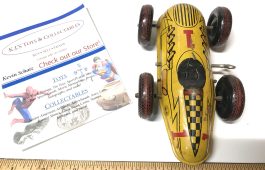
Vintage toys evoke childhood nostalgia that drives demand. Collectors are particularly drawn to unopened or rare production runs. For example, an unopened 1978 Luke Skywalker action figure surpassed $161,000. Fast‑food premiums like 1990s Happy Meal toys also trade for hundreds when sealed. Condition is everything: even slight wear can significantly reduce value. Store toys away from sunlight and extreme temperature fluctuations. As with other categories, authenticity and packaging matter, so avoid repackaged or reproduction figures.
Stamp collecting offers low‑cost entry with potential high returns. Limited‑edition postal issues often appreciate after they’re withdrawn from sale. Key indicators of value include centered design, vibrant color and absence of marks. Some iconic stamps, like the Mauritius Post Office stamp, have sold for over $12 million. Philatelists should learn to identify watermarks, perforations and color varieties. Joining stamp clubs and attending auctions will enhance your knowledge and network.
Sports memorabilia merges passion with profit. Game‑worn jerseys, autographed balls and historic equipment often appreciate. The record price for a sports item—Babe Ruth’s jersey at $24.12 million—illustrates the heights this category can reach. Authentication is crucial; use services like PSA/DNA or Beckett to verify signatures. Display items in UV‑protected cases to prevent fading. Modern trading cards, when graded at high levels, can be valuable as well; rookie cards of popular athletes often generate buzz.
Building a profitable collection starts with choosing a niche you love. Whether it’s coins, comics, vintage toys or wine, passion sustains you through research and market fluctuations. Begin with modest purchases to learn about grading and pricing. Network with fellow enthusiasts—clubs, forums and events can lead to insider opportunities. In Ohio, local experts at KJ’s Collectables LLC. can help new collectors identify authentic pieces and understand market trends. It’s also wise to read guides such as What Are the Hottest Collectibles to Buy and Sell Right Now in Ohio? for regional insights.
Plan for storage and maintenance. If you’re collecting investment‑grade wine, you’ll need climate‑controlled storage; if it’s vintage cars, consider where to safely store and maintain them. Budget accordingly: allocate funds for acquisition, insurance and preservation. Finally, keep detailed records of purchase price, provenance and condition. When it’s time to sell, these documents prove authenticity and maximize returns.
Finding the right marketplace is essential for both buying and selling. Local antique malls, auctions and specialty dealers provide tactile experiences—you can inspect items and build relationships. Online platforms like Heritage Auctions and eBay offer access to global markets but require careful vetting of sellers. For residents of Ohio, Buy Collectibles Columbus OH and Trade Collectibles in Ohio are trusted venues for acquiring and selling items with local expertise. These shops often have networks of collectors, meaning they can help find buyers for your pieces or locate rare items for your wish list.
Always verify return policies and authenticity guarantees. Auction houses usually provide detailed descriptions and provenance research, but fees can be higher. Private sales may allow for negotiation but pose greater risk if the seller is unknown. Building relationships with reputable dealers pays dividends in knowledge and trust.
The most profitable collectible is often the one that combines scarcity, cultural resonance and impeccable condition. Rare coins, high‑end sports memorabilia and fine art stand out for their record‑breaking sales, but well‑chosen comics, toys, stamps and wines also yield impressive returns. Profit should not be the sole motivator; collecting is fundamentally about passion and curiosity. By investing time in research, leveraging networks, and partnering with knowledgeable professionals like those at KJ’s Collectables LLC., you can build a collection that brings joy today and financial rewards in the future.