KJ's Collectables LLC.
Buy, Sell. Trade, Consign and More!

Collecting sports cards has surged from a childhood pastime into a legitimate collectible market. Prices can soar into the millions for certain cardboard gems while many other cards remain sentimental keepsakes. Understanding what determines the value of a sports card requires looking at how scarcity, condition, player demand, and market dynamics intersect. As a long‑time collector, I’ve learned that there is no single formula. Instead, the hobby blends objective criteria like print runs with subjective factors like nostalgia and hype. In this guide I’ll walk through those elements and share insights for hobbyists and investors alike.
At the core of valuation is basic supply and demand. A limited supply of desirable cards will command higher prices, especially when collectors compete to own them. Demand is driven by the featured player’s popularity and performance, the card’s age, its condition, and how easy it is to find. For modern releases, low‑numbered parallels and one‑of‑one cards create artificial scarcity that drives bidding wars. For vintage cards, scarcity often comes from the passage of time and the destruction of countless copies.
Values also respond to trends. When an athlete has an MVP season or breaks a record, their cards spike. Conversely, injuries or slumps can deflate prices. Investors who track these cycles often buy low and sell high. Understanding these ebbs and flows helps collectors decide when to acquire or move cards.
Our friends at KJ’s Collectables LLC see these forces play out daily when appraising collections. They emphasize that collectors should research recent sales rather than rely on outdated price guides. Sites like eBay’s sold listings and hobby resources provide up‑to‑date data on what cards actually sell for.

A card’s star power stems from the athlete featured. Superstars with MVP awards, championship rings and cultural significance generate the most demand. Hall of Fame players and modern icons such as Michael Jordan, Tom Brady and Jackie Robinson remain staples because their legacies transcend statistics. When a player captures the public imagination—think of the heroics that made Babe Ruth a legend—collectors scramble for their cards.
Rising stars and rookies also attract attention. Collectors speculate on prospects like Shohei Ohtani or Victor Wembanyama, hoping to catch the next superstar. As a collector, I enjoy finding gems of young players before the rest of the market does. But fame is fleeting: performance slumps or off‑field controversies can temper demand. That’s why diversifying across established and emerging players is wise.
In sports card lore, the rookie card is king. Even within the same set, a player’s first card nearly always outshines later releases. A rookie card signals the start of a career and has a mystique that collectors cherish. Vintage rookies of Hall of Famers are among the most coveted cards in the hobby. Modern investors often target first‑year cards of emerging stars with hopes of future appreciation.
It’s worth noting that not every card labeled “rookie” is a true rookie. Some modern inserts featuring prospects or minor‑league players blur definitions. Collectors should verify the first mainstream release that is recognized by grading companies and price guides. This diligence avoids paying a premium for mislabeled cards.
Condition is one of the most critical value drivers. Cards with sharp corners, clean surfaces and precise centering command higher prices. Minor flaws like surface scratches or off‑center printing can drop a card’s grade dramatically. Grading companies such as PSA, Beckett (BGS) and SGC evaluate cards on a numerical scale; a PSA 10 “Gem Mint” can sell for double or triple a PSA 9. Eye appeal—vibrant colors and clear images—also influences buyer perception.
Professional grading isn’t free, and collectors must weigh cost against potential gains. According to hobby guides, the grading process typically costs $10–$100 per card depending on the card’s value and desired turnaround time. It’s usually worthwhile only for cards expected to sell above $100 ungraded. When deciding whether to grade, factor in fees, shipping, and the risk of receiving a lower grade than expected. Companies such as PSA announce occasional backlog delays, so patience is often required.
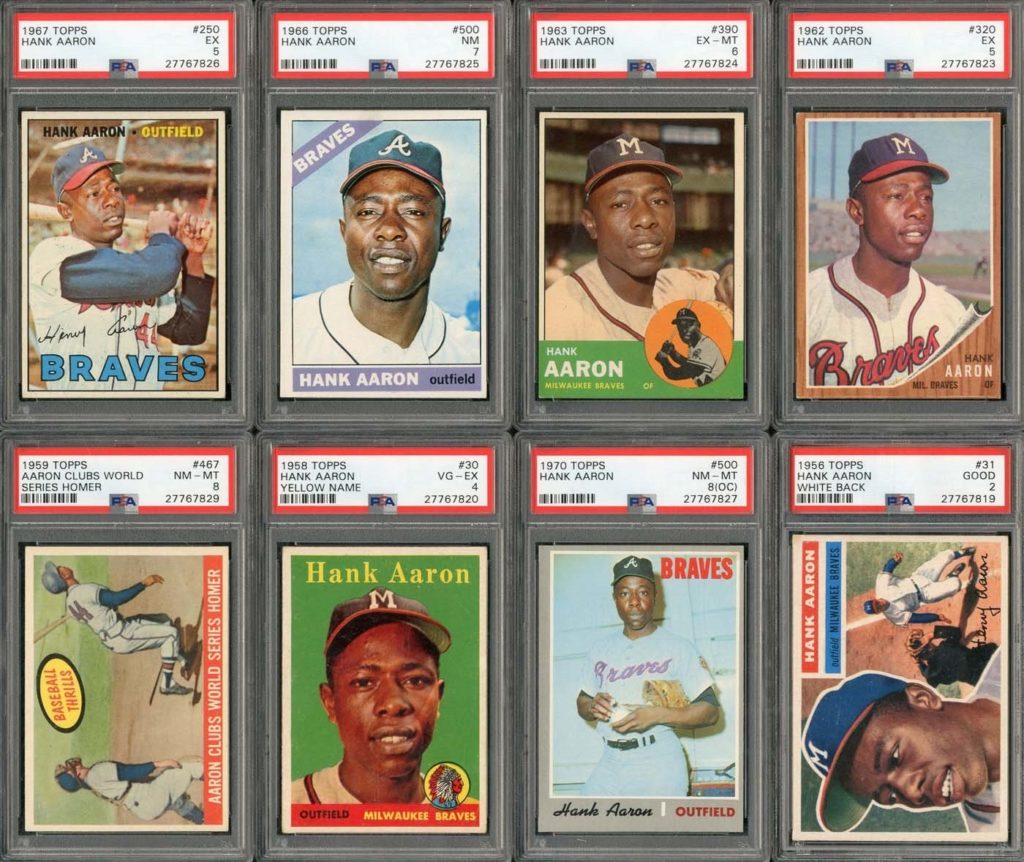
Scarcity fuels desire. In the modern era, manufacturers create scarcity by printing limited quantities and numbering cards. Serial numbers (e.g., /25, /10 or one‑of‑one) indicate how many copies exist. Collectors pay premiums for these limited editions because they know there are fewer to chase. Vintage cards become scarce as time takes its toll—many were discarded, damaged, or lost.
Scarcity isn’t just about print runs. It also involves how often a card comes up for sale. Some rare cards may be buried in private collections, creating a “float” that’s effectively lower than the official print run. Parallel versions with unique colors or foil treatments add another dimension. Gold, refractor and acetate parallels can become collector favorites, especially when the color matches a team’s uniform.
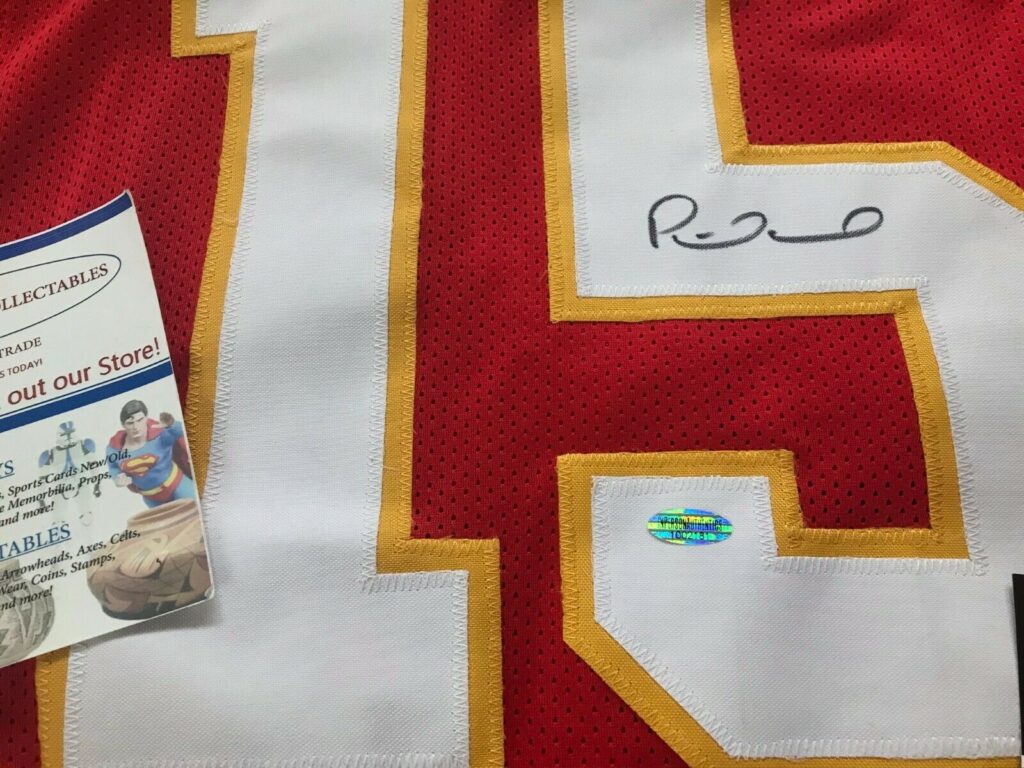
Collectors love cards that connect them directly to the athlete. Autographs and memorabilia patches offer this tangible link. On‑card signatures (signed directly on the card) are generally more desirable than sticker autos adhered later. Patches cut from game‑worn jerseys—especially multicolor or logo patches—provide eye‑catching pieces of history. Game‑used materials carry more weight than player‑worn memorabilia, and collectors often pay significant premiums for them.
Design matters too. Aesthetic appeal—bold photography, foil accents, unique die cuts—sets certain cards apart. Color‑matched parallels (for example, a gold card for a team with gold in its uniform) create striking visuals. Limited inserts with embossing or holographic effects offer variety. While design is subjective, sets like Stadium Club and Topps Project have gained reputations for artistic quality.
Not all sets are created equal. Some product lines—Topps Chrome, Panini Prizm, National Treasures, Exquisite—carry prestige built over years. They feature higher‑quality card stock, attractive designs and strong checklists. Debut year sets often become iconic; think of 1952 Topps or 1996 Chrome, both considered landmarks.
Checklist strength matters. A set loaded with multiple star rookies (like 2018 Topps Update featuring Shohei Ohtani, Juan Soto and Ronald Acuña Jr.) can elevate all its cards. Conversely, a set with mediocre rookies may languish despite good design. When buying sealed boxes or packs, consider not only potential hits but the overall strength of the checklist. Stores like Buy Collectibles Columbus OH and Trade Collectibles in Ohio often carry boxes from different brands, so browsing their inventory can help you discover which lines hold long‑term appeal.
The broader economy and pop‑culture moments influence card values. In a bull market, bidding wars erupt; during economic downturns, liquidity dries up and collectors become price sensitive. Hype cycles around championships, award announcements or blockbuster trades cause spikes in interest. If a player throws a no‑hitter or wins an MVP award, demand can skyrocket overnight. I remember watching my holdings of Nikola Jokić cards double when he captured consecutive MVPs.
Community size matters as well. Players with large fan bases, like Kobe Bryant or Derek Jeter, have armies of collectors, providing a steady floor price. Meanwhile, global sports like soccer or F1 attract international fans, expanding the pool of buyers. Being aware of these communities helps when deciding which players to collect or trade.
Every hobby has its ultimate treasures. In baseball card collecting, the 1952 Topps Mickey Mantle is often considered the holy grail. A PSA 9 copy sold for $12.6 million in 2022, setting records and cementing its status. Other legendary grails include the T206 Honus Wagner and the 1986‑87 Fleer Michael Jordan rookie card. Their value comes from a blend of rarity, condition, and iconic status.
Chasing grail cards isn’t for everyone; their prices are out of reach for most collectors. However, they set benchmarks that elevate the entire market. When a Mantle sells for millions, collectors reassess the potential of other vintage legends. Learning the stories behind these grails enriches the collecting experience and offers inspiration for aspiring investors.
Grading costs vary depending on service level. Entry‑level “Value” submissions often cost around $20 per card, while faster services with higher insurance can reach $100 or more. The cost also scales with the card’s declared value; higher insured amounts require higher fees. Collectors should factor in shipping, insurance and membership fees when budgeting.
Deciding whether to grade depends on potential resale value. For cards worth less than $100 raw, grading rarely yields a profit after fees. Focus on rookies, vintage cards and modern parallels with strong market demand. Timely grading can pay off if a player’s popularity surges. Many collectors choose to grade through bulk submission groups to reduce shipping costs.
Shohei Ohtani’s combination of pitching and hitting prowess has captivated fans worldwide. In December 2025 a one‑of‑one 2025 Topps Chrome MVP Award Gold MLB Logoman card featuring his autograph sold for $3 million, nearly tripling the previous record for an Ohtani card. This card included a gold MLB logo patch from a game in which Ohtani homered and stole bases. Prior to that, an autographed one‑of‑one card with the MLB logo from his pants sold for $1.067 million earlier that year.
These staggering prices underscore how rare, game‑used patches and on‑card autographs amplify value. While most collectors can’t afford such pieces, watching these record sales provides insight into what the market values most: uniqueness, player greatness and authenticated memorabilia. They also illustrate how quickly Ohtani’s market has matured—he’s already mentioned alongside Mantle and Trout in conversations about modern grails.
To maximize returns, think like a trader. Buy during off‑seasons or when a player is underrated; sell during peak hype. Monitor injury reports, contract negotiations and schedule milestones. Tools like Card Ladder and eBay sold listings help track price trends. Participate in collector forums to stay informed about upcoming releases and community buzz.
Timing also involves considering when to hold long‑term versus taking profits. Iconic players like LeBron James or Mike Trout may appreciate steadily over years, while speculative rookies can swing wildly. Always set a budget and avoid overextending yourself chasing the next hot card. Establishing relationships with reputable dealers—such as KJ’s Collectables LLC—provides access to trustworthy advice and inventory.
Card condition is preserved through proper storage. Use penny sleeves, top loaders and rigid cases to protect edges and surfaces. Keep your collection in a cool, dry environment—professional collectors recommend 65–70°F and relative humidity around 50%. Avoid direct sunlight, basements and attics where temperature swings can warp cards. Regularly inspect for moisture and dust.
When it comes time to sell, know where to go. Local card shops, reputable online marketplaces and auction houses offer different advantages. If you’re unsure where to start, the article Where is the best place to sell my Collectables? provides a helpful overview. Additionally, communities at Buy Collectibles Columbus OH and Trade Collectibles in Ohio can connect you with buyers and sellers. Networking with fellow collectors often leads to trade opportunities that keep your collection fresh.
The sports card hobby is a blend of art, finance and community. What determines the value of a sports card isn’t etched in stone; it shifts with player legacies, market cycles and collectors’ emotions. By understanding key drivers—player popularity, rookie status, condition, scarcity, brand prestige, market timing and design—you can make informed decisions. Whether you’re chasing grail cards or building a modest collection, take time to learn, connect with others and enjoy the stories each card tells. The thrill of uncovering a hidden gem never gets old.

