KJ's Collectables LLC.
Buy, Sell. Trade, Consign and More!

Collecting has never been just about objects—it’s about stories, memories and discovery. Finding my grandfather’s old baseball cards connected me to a past I never lived, while my nephew’s love for limited‑edition toys showed me how collecting constantly evolves. The debate between vintage vs modern collectibles isn’t just about age but about meaning, scarcity and personal connection. This guide explains the differences, highlights current trends and offers practical tips.
Before comparing value, it helps to define our terms. Antique specialists generally consider a vintage item to be between twenty and one hundred years old, whereas an antique is anything older than a century. A collectible, by contrast, can be brand‑new or decades old—it’s defined by the fact that people collect it. This means a sealed Pokémon booster box from 1999 and a Civil War‑era coin both qualify as collectibles. Understanding these definitions sets the stage: vintage refers to items with some age and period character, while modern refers to items released recently, often with collecting in mind.
These definitions highlight why debates about Vintage vs Modern Collectibles: Which Holds Value Better? can be confusing—some vintage pieces are collectibles, and some modern pieces are already considered classics. The following sections unpack the nuances.
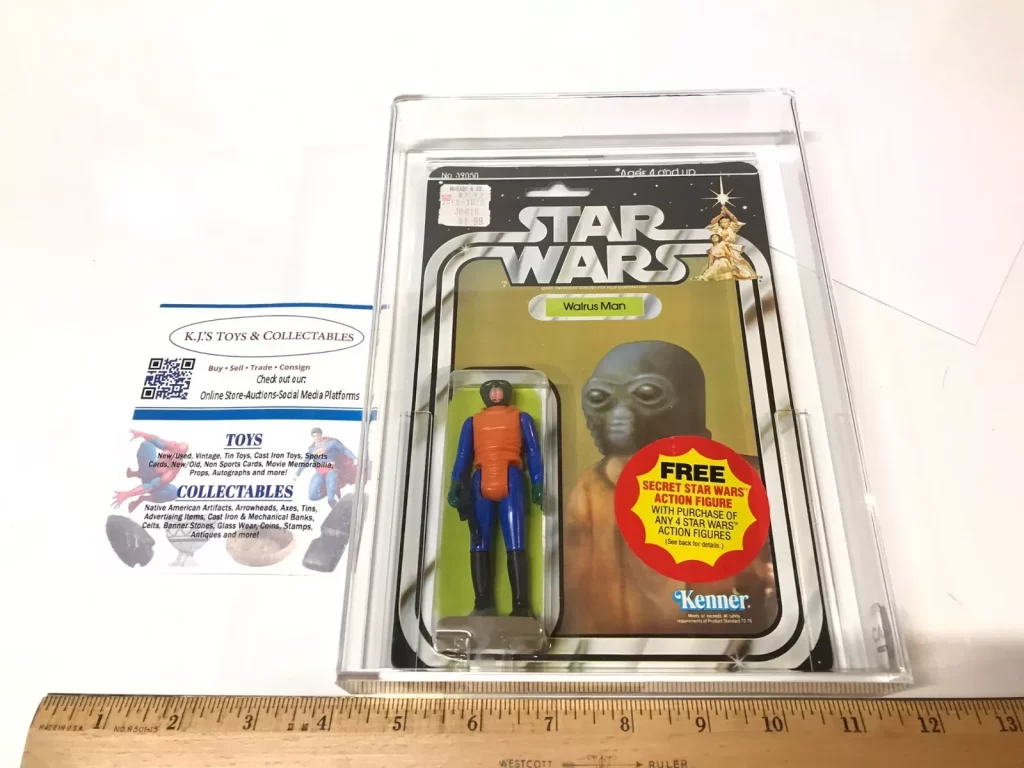
Yes. Most dealers define vintage items as those between 20 and 100 years old, so a toy from the early 2000s already qualifies. What makes it desirable is how well it has survived: original packaging and minimal wear add charm and price. Mint examples can sell for ten to a hundred times more than worn ones.

Age is the obvious difference, but value runs deeper. Vintage pieces draw appeal from survival and the stories they carry; signs of wear can even add character. Modern collectibles are about immediacy: polished designs, limited releases and online hype create a fast‑moving market.
| Factor | Vintage items | Modern collectibles |
|---|---|---|
| Scarcity | Natural scarcity due to discontinuation and loss over time | Designed scarcity through limited runs and serial numbers |
| Nostalgia | Strong emotional connection; buyers value personal memories | Less nostalgia; appeal comes from current cultural relevance and design |
| Condition | Surviving examples in high grade are rare; imperfections may add character | Quality expectations are high; small flaws can hurt value |
| Community | Focused on research, preservation and authenticity | Driven by hype cycles, social media and brand collaboration |
| Investment horizon | Often slower growth but durable because nostalgia deepens over time | Potentially faster flips but more sensitive to trends and supply shocks |
| Modern pieces may shine brighter today, but vintage ones endure as nostalgia deepens. Neither category is inherently better; the reasons you collect determine what holds value for you. |

People often blur vintage, antique and collectible. Vintage items are 20–100 years old; a collectible can be any age as long as collectors value it. Value comes from demand, scarcity and condition. Knowing these distinctions helps you decide whether you’re drawn to history or hype.
In 2026, hot categories include vintage trading cards, first‑edition books, rare vinyl, vintage watches and pre‑1990 video games. Younger collectors fuel demand for graded video game cartridges and classic consoles, while nostalgia for comics, posters and toys keeps film and pop culture memorabilia in demand. On the modern side, limited sneakers, designer toys and NFT‑based collectibles draw buyers who want to participate in an evolving culture. The “hottest” item depends on your interests and budget, so follow demand patterns rather than chasing hype.
Whether you collect vintage treasures or modern marvels, certain fundamentals determine value. Understanding these factors can mean the difference between a wise investment and an impulse regret.
Key value factors at a glance
Building a collection is rewarding, but it requires strategy. Over the years I’ve found that a handful of principles make the biggest difference:
Authenticity isn’t just about objects—it’s about people. Over the years I’ve watched collectors treat their finds like family and swap stories about attic discoveries or camping out for designer toy releases. These experiences illustrate how vintage pieces connect us to personal histories, while modern collectibles build communities. I’ve also found resources like the article What Determines the Value of a Sports Card? on KJ’s blog invaluable because they explain how scarcity, popularity and condition intersect. Learning from others—whether through blogs, local meetups or trusted dealers—makes collecting more enjoyable and informed.
So, vintage vs modern collectibles: which holds value better? There’s no universal answer. Vintage items offer authenticity and nostalgia, while modern pieces deliver immediacy and excitement. Balance both: collect what resonates with you, follow demand patterns and work with trusted partners like KJ’s Collectables LLC to Buy Collectibles safely. Enjoy the hunt and the stories it brings.