KJ's Collectables LLC.
Buy, Sell. Trade, Consign and More!
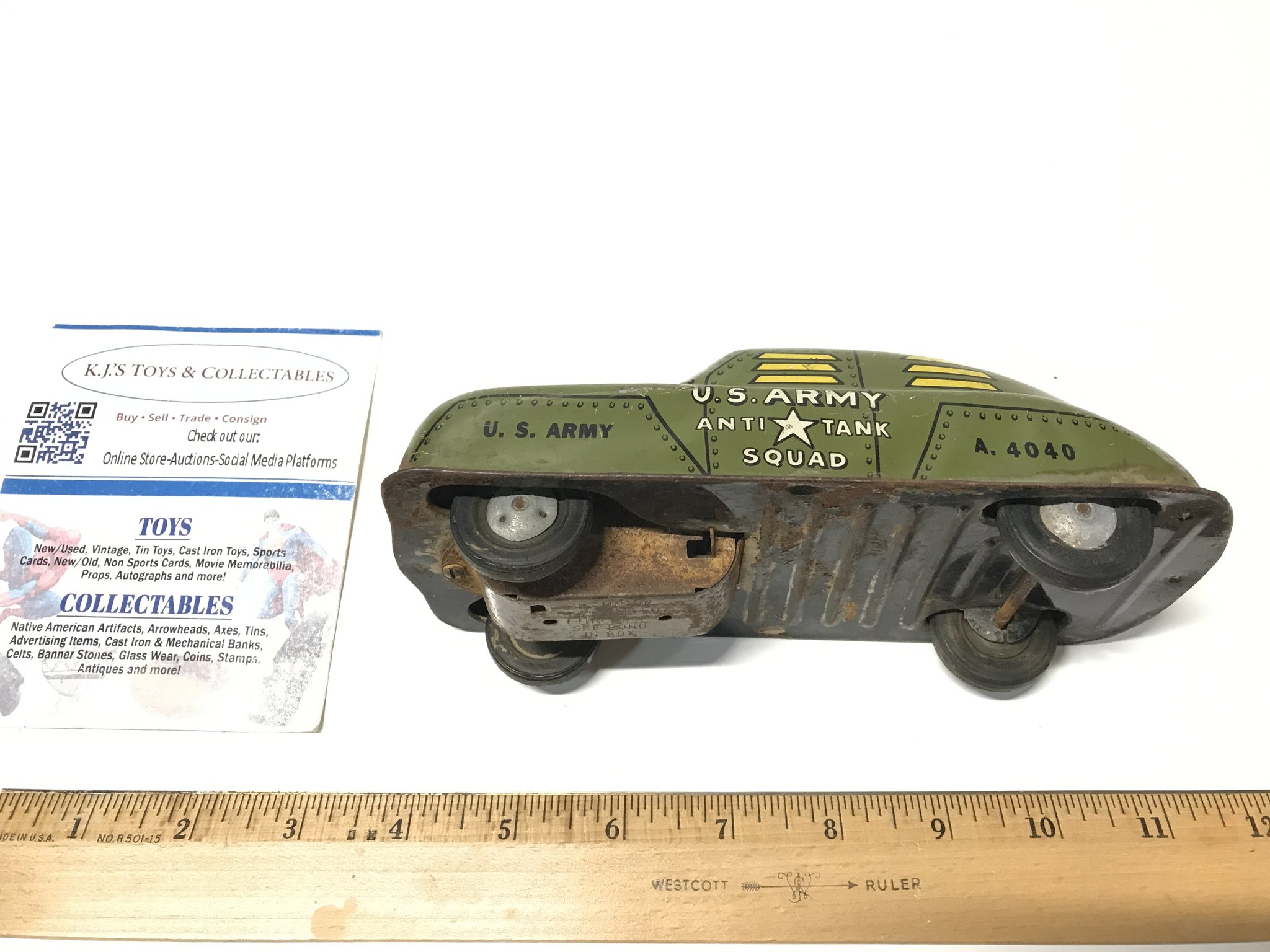
Selling antiques and collectibles requires a blend of research, strategic marketing and a keen sense of market trends. Whether you’ve inherited heirlooms or collected treasures on your travels, understanding how to sell antiques and collectibles will help you secure fair prices and ensure these objects land in appreciative hands. Below is a streamlined guide covering valuation, sales channels, current trends and how to protect yourself from scams.
Before you list anything, identify what you have and what it’s worth. Take clear photos and use reverse image search tools to see similar items online—this quickly shows how your piece compares in value. Check high‑end marketplaces like Chairish and 1stDibs as well as everyday platforms like eBay to understand the price range. If the difference between listings is large or if you suspect your item might be special, enlist a certified appraiser to confirm authenticity and provide a realistic valuation.
Appraisers also help you spot quality features. For furniture, dovetail joints or solid wood construction add value. In artwork, look at canvas type and frame material; subtle details such as the wood in a frame can indicate age and provenance. Document these characteristics in photos and notes—buyers appreciate evidence of craftsmanship.
Your antique’s value is influenced by rarity, condition and demand. Start by examining comparable sales, checking auction records and completed online listings for similar items. Reverse image search helps identify reproductions, while hallmarks and maker’s marks can signal authenticity. Keep an eye on market trends: in 2025, Art Deco and mid‑century modern furniture remain popular, ornate Baroque and Rococo decor attract buyers, and Swedish painted Gustavian pieces offer versatility. Murano glass and vintage jewelry also see strong demand for their artisanal appeal.
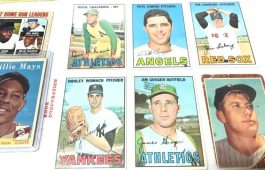
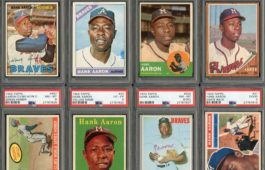
Avoid categories that are oversaturated. Carnival glass, common crystal stemware, mass‑produced china and Beanie Babies have plummeted in value. Sports cards from the 1980s and 1990s are mostly worthless unless you have rare rookies or error cards. Limited‑edition Barbies and overproduced collectibles rarely sell for more than a few dollars. Recognizing these weak markets helps you focus on pieces that still command attention.
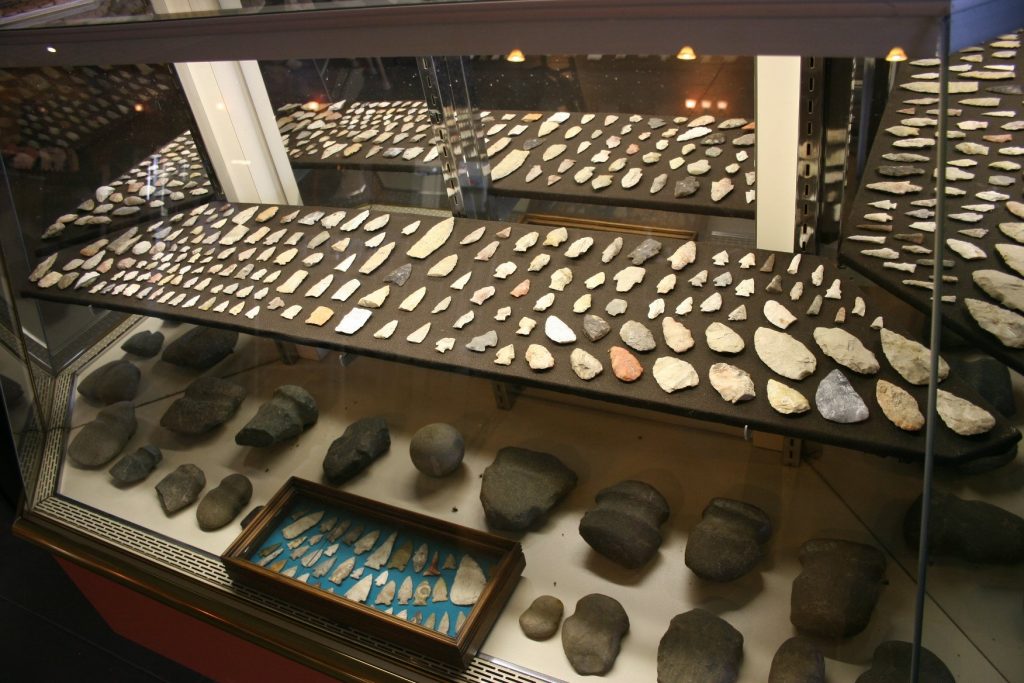
Choosing where to sell depends on the item’s quality and how much time you’re willing to invest.
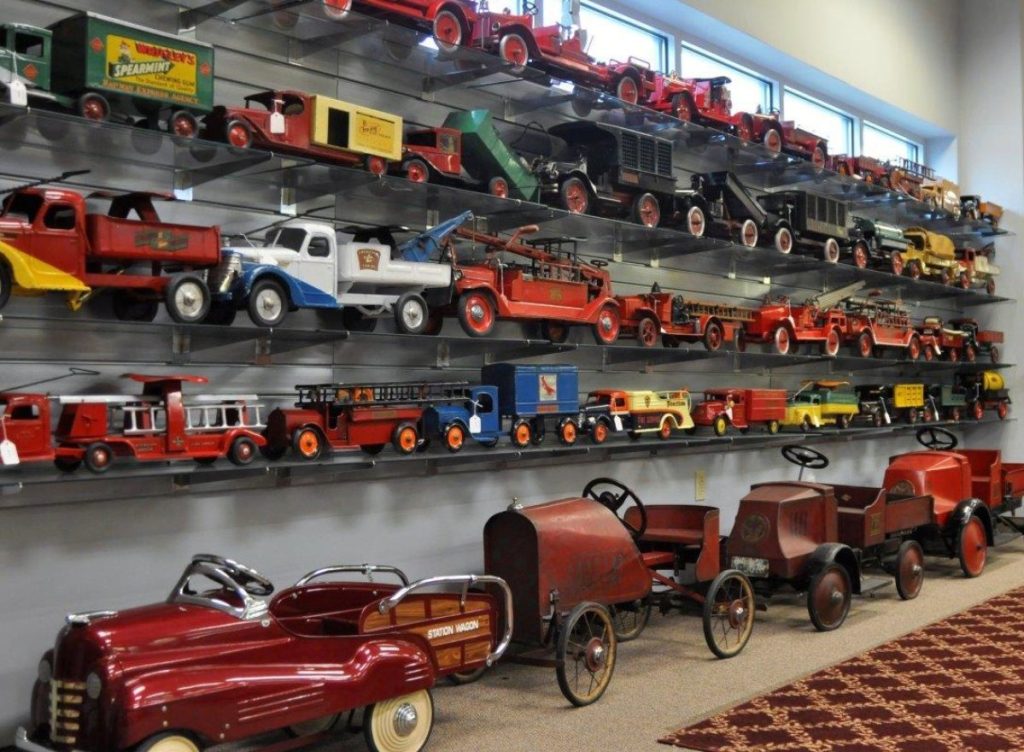
Most dealers are honest, but scams are prevalent. The most common scam is reproductions sold as originals; watch for modern materials and workmanship. Fake autographs and phony certificates of authenticity are another trap. Auction scams include bidding rings and shill bidding, where conspirators keep prices artificially low or high.
Protect yourself by dealing only with reputable dealers and auction houses, and never buy or sell valuable items sight unseen without an escrow or return agreement. Obtain independent appraisals on expensive pieces. Platforms like Trade Collectibles in Ohio act as intermediaries for sellers and maintain strict standards. If something sounds too good to be true, it probably is.
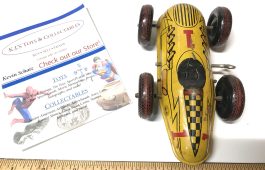
Collectibles span from tangible nostalgia to digital assets. In 2025, retro gaming consoles such as the NES and Sega Genesis top the list. Designer toys like Bearbricks and art figurines attract adult collectors. Miniature cars and die‑cast models have transformed childhood toys into serious collectibles. NFTs and digital art remain strong, while trading card games like Pokémon and Magic: The Gathering continue to thrive. Anime figurines and limited‑edition fashion items from brands such as Supreme or Louis Vuitton round out the trending categories.
| Channel or Platform | Best suited for | Notes |
|---|---|---|
| Local antique shops | Everyday items and furniture | Quick sale; get multiple quotes |
| Consignment shops | Mid‑range pieces | Higher returns; read contracts |
| Online marketplaces | Common collectibles | Control over listing; focus on photos & descriptions |
| Specialty sites (Chairish, 1stDibs) | High‑value or unique items | Curated audiences; higher fees |
| Auction houses | Rare or one‑of‑a‑kind antiques | Global exposure; set a reserve price |
| KJ’s Collectables LLC. & associated services | Regional sales & trade | Trusted Ohio‑based resource |
Great presentation can make or break a sale. Photograph your item in natural light against a neutral background; avoid capturing your reflection in mirrors or shiny surfaces. Include multiple angles and close‑ups of hallmarks or maker’s marks. In your description, note the time period, maker, material, dimensions and condition. Borrow terminology from professional listings on Chairish or 1stDibs and use positive phrases like “patina” or “wear consistent with age”. Pricing should be based on comparable sales with room for negotiation.
To succeed in the antiques market, do your homework. Identify what you have using reverse image searches, compare prices across platforms and consult an appraiser when needed. Understand current trends—mid‑century furniture and Art Deco décor sell well, while mass‑produced glassware and Beanie Babies languish. Choose the sales channel that suits your item: dealers for quick sales, consignment shops for mid‑range goods, online marketplaces for common pieces, or auctions for unique treasures. Stay vigilant against scams by working only with reputable professionals and verifying authenticity. By following these guidelines and partnering with reliable resources like Best Places to Buy and Sell Collectables in Ohio, KJ’s Collectables LLC., Buy Collectibles Columbus OH and Trade Collectibles in Ohio, you’ll be well equipped to navigate the market and secure the best possible return for your antiques and collectibles.