KJ's Collectables LLC.
Buy, Sell. Trade, Consign and More!

The antique market in 2026 feels markedly different from just a few years ago. Minimalism and mid‑century restraint are fading, replaced by rich textures, romantic motifs and objects with stories. As a collector and writer, I’ve watched the shift toward maximalist interiors and personal objects accelerate. Collectors increasingly value craftsmanship, provenance and function, and they’re drawn to pieces that feel personal. This article delves into the antiques poised to soar in value next year and explains why the market is changing so rapidly.
Design trends rarely exist in a vacuum. According to the annual survey by the Asheford Institute of Antiques, 2025 marked a turning point: while mid‑century modern continued to sell, buyers began shifting toward earlier periods and more eclectic styles. Economic pressure and rising retail costs nudged consumers into the resale market, but analysts emphasised that buyers weren’t just bargain hunting; they wanted decorative investments and were prepared to spend on categories with high growth potential. The result is a market that prizes quality, history and emotional connection over trendiness.
In this climate, classic wood furniture—often dismissed as “brown furniture”—is mounting a comeback. An essay from SellingAntiques notes that the resurgence of dark woods like mahogany, walnut and teak reflects a broader move away from minimalist interiors toward warmth and authenticity. Consumers yearn for natural materials and earthy tones, and brown furniture satisfies that craving while emphasising sustainability and craftsmanship. Pine pieces with honest patina and provenance are part of this revival because they blend rustic charm with functionality.
The desire for layered, personality‑rich interiors is fueling demand for antiques from the late 19th and early 20th centuries. Anthony Barzilay Freund, editorial director at 1stDibs, notes that interest is shifting from the omnipresent 1970s and mid‑century style toward the 1920s–1950s, Art Nouveau, Art Deco and even Victorian periods. Collectors are embracing pieces with ornate details, lush materials and expressive craftsmanship, rather than the pared‑down silhouettes of recent decades. This means you’ll see more carved wood, floral marquetry, leaded glass and intricate bronzes.
Lighting is one of the biggest winners. Freund points out that Tiffany lamps—made of leaded or favrile glass and bronze—remain blue‑chip collectibles and are experiencing renewed demand, with pieces averaging over $27,000 on 1stDibs. He also highlights Art Nouveau and Art Deco glass art such as vases and sculptural objects by Emile Gallé and Lalique; searches for these delicate works have increased significantly. These decorative pieces combine beauty with function, meeting the criteria for pieces that will hold or grow their value.
Collectors aren’t just buying anything old. Experts advise applying the “good, better, best” rule: the most desirable pieces have superior craftsmanship, high‑quality materials, excellent condition, and documented provenance. When these factors align, the piece becomes a “best” investment that can withstand changing tastes. This is as true for major furniture purchases as it is for smaller objects such as jewelry, glassware and toys.
Functionality also matters. Georgian sideboards and dressers rank high on 2026 wish lists because their sleek, timeless design fits seamlessly with modern or traditional interiors. Bronze sconces offer moody, wall‑mounted lighting that works in small spaces; Freund notes they’re the antique lighting to watch because they complement the earthier palettes expected in 2026. When an antique serves a practical purpose—be it storage, lighting, or seating—its appeal extends beyond aesthetics, increasing both demand and value.
Furniture that blends storage with sculptural beauty tops many experts’ lists. Elizabeth Lindquist, co‑owner of Whitehall Antiques, encourages investing in French marble‑topped commodes from the Louis Philippe to Charles X eras because they’re undervalued and likely to rebound. She believes these versatile pieces are near the bottom of their price cycle, so designers will soon rediscover them and drive prices upward. Similarly, Georgian sideboards and dressers are praised for their adaptability: they mix well with modern and French styles and never truly go out of fashion.
Lighting continues to hold its crown. Freund describes Tiffany lamps as “blue‑chip” antiques, noting that the most sought‑after examples have floral shade designs inspired by nature. Their mix of luminous glass and bronze suits maximalist and traditional homes alike. Beyond Tiffany, Art Nouveau lighting and bronze sconces capture attention because they add warmth and sculptural interest to walls. When you combine artistic glasswork with practical illumination, you get pieces that collectors cherish for decades.
Small yet striking objects like glass vases, bowls and figurines are predicted to appreciate quickly. Freund highlights that interest in Art Nouveau and Art Deco glasswork—especially pieces by Gallé and Lalique—is growing. These delicate pieces bring whimsy and color to interiors without overwhelming the space. Because they are relatively easy to display and often produced in limited numbers, their prices can climb steadily as new collectors enter the market.
The Victorian era’s eclectic mix of historical revivals, exotic motifs and quality craftsmanship appeals to 21st‑century buyers. Collectors are especially drawn to wood furniture by makers like Howard & Sons and Gillows of Lancaster. On the ceramic side, a blog from Paul Lawson Antiques notes that Victorian pottery never fell out of fashion: transfer‑printed jugs, ornamental vases and Staffordshire figures were designed to impress and still exude charm. Makers such as Minton, Royal Doulton and Wedgwood combined craft and innovation, producing pieces that were both beautiful and durable. These names remain respected, and well‑preserved examples—especially majolica and porcelain—are poised to rise in value.
Maximalist design is reviving ornate surfaces. Floral marquetry inlaid tables are expected to gain popularity because their inlaid wood patterns act as art pieces and can serve as side or games tables. Meanwhile, the broader resurgence of “brown furniture” encompasses pine dressers, walnut desks and mahogany tables. An in‑depth analysis explains that the renewed love for dark wood furniture reflects a desire for authenticity and warmth; it signals a move away from minimalist styles and highlights the beauty and variety of natural wood. Pieces with honest wear or fine patina are especially coveted.

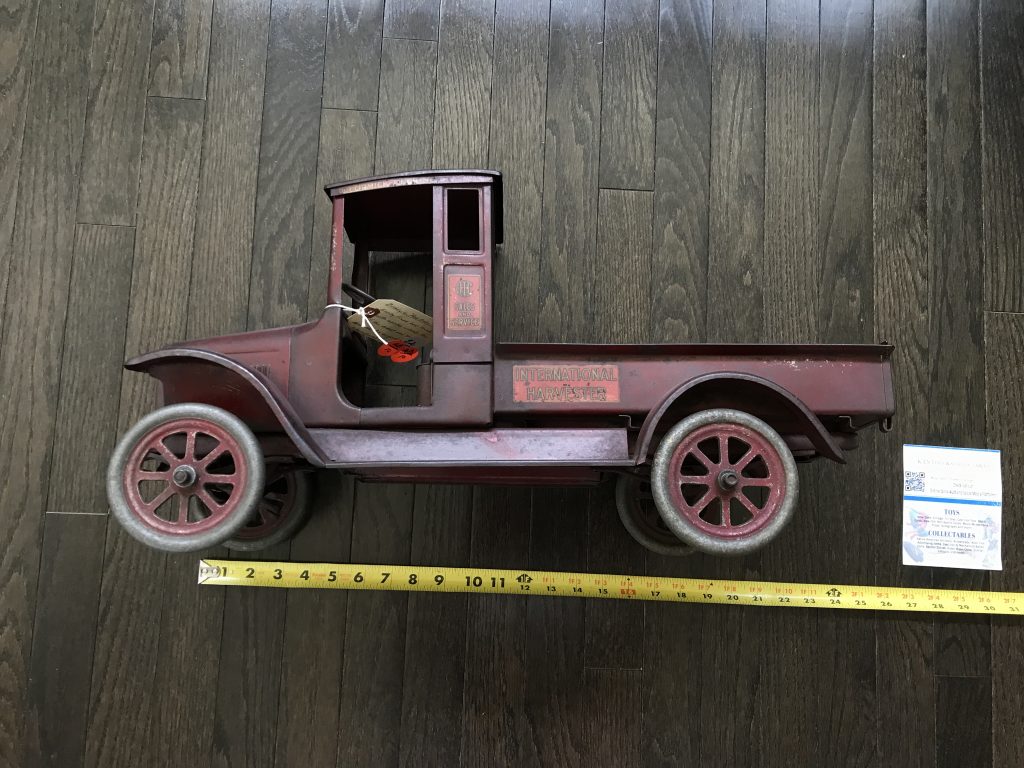
Smaller objects with character offer entry points for new collectors. The Blue Moon Estate Sales outlook notes that vintage toys—especially those from the 1980s and 1990s like Star Wars, G.I. Joe and Pokémon—are regaining popularity, particularly when still in their original packaging. It also mentions that jewelry styles from the Art Deco and Retro periods, along with bold gold pieces from the 1970s and 1980s, see intense competition at estate sales. These categories combine nostalgia with scarcity, making them ideal for collectors seeking high‑growth pieces.
Collectors are also gravitating toward vintage folk art, Scandinavian modern artwork and mid‑century pieces with organic forms. Painterly works, lithography prints and Scandinavian textiles are appreciated because they infuse spaces with personality and history. Pairs of vases, particularly French Sèvres porcelain, and 18th‑century mirrors offer symmetry and reflect light beautifully. Chinese porcelain continues to command strong prices, although verifying authenticity is crucial. Finally, globes, antique desks and Champagne coupes—objects that blend decorative allure with everyday utility—are moving quickly through dealers because they serve practical functions while adding vintage charm.
From conversations with dealers and fellow enthusiasts, three themes recur: provenance, versatility and emotion. Provenance—knowing who made or owned a piece—adds credibility and helps buyers assess authenticity. Versatility means the item should transition across rooms or design styles; a Georgian sideboard can anchor a dining room or function as a media console. Emotion refers to the intangible appeal: the way a Tiffany lamp glows, the character of a pine dresser, or the nostalgia evoked by a beloved toy. When pieces hit all three notes, they tend to appreciate in value.
Working with established, reputable dealers makes a meaningful difference when buying or trading antiques. For collectors in Ohio, businesses like KJ’s Collectables LLC. that focus on Buy Collectibles Columbus OH and Trade Collectibles in Ohio specialize in carefully sourced and authenticated pieces. Reputable dealers can offer condition reports, provenance details, and supporting documentation that help collectors make confident, informed decisions. Always request appraisals, ownership history, and any available records. If questions remain, comparing similar market examples and consulting an expert before committing can help protect both value and long-term enjoyment.
Trends suggest that items blending artistry and function will see the strongest growth. Lighting, especially Tiffany lamps and bronze sconces, remains a safe bet. Storage pieces like commodes and sideboards offer both beauty and practicality, while glass art and pottery provide striking accents that don’t require large spaces. Brown furniture—particularly pieces with unusual grains or marquetry—should continue to rebound as maximalism and earthy interiors gain traction. In the small‑item category, expect demand for vintage jewelry, 1980s toys, folk art and quality glassware to grow.
For those looking to start with modest budgets, consider antique mirrors, pairs of vases, globes and functional desks. These objects still feel luxurious but typically cost less than marquee furniture or lighting. It’s also worth exploring categories like vintage quilts, lithography prints or primitive kitchenware, which have been selling briskly in certain regions. Whatever you choose, focus on condition and authenticity.
Looking back helps inform future buying. The Asheford survey shows that 2026 buyers already gravitated toward Art Deco and Art Nouveau pieces and began moving away from the singular focus on mid‑century modern. Vintage vinyl records, analog audio equipment and unusual kitchenware also appeared on the charts. Brown furniture, once considered dated, started to rebound as homeowners sought warmth and sustainability.
In estate sales, mid‑century modern furniture remained strong but more selective: only well‑designed pieces by names like Eames or Knoll commanded premium prices. Gold and silver jewelry—including broken chains and single earrings—sold quickly because buyers recognised the intrinsic metal value. These examples show that quality and authenticity were already key drivers in 2026 and will continue to influence the 2026 market.
The antique market in 2026 offers exciting opportunities for both new and seasoned collectors. By focusing on quality, provenance and emotional resonance, you can assemble a collection that enriches your home and has the potential to appreciate in value. Whether you’re drawn to the glowing hues of a Tiffany lamp, the carved elegance of a Georgian sideboard, or the nostalgic charm of a 1980s toy, the key is to buy wisely and choose pieces that speak to you.