KJ's Collectables LLC.
Buy, Sell. Trade, Consign and More!
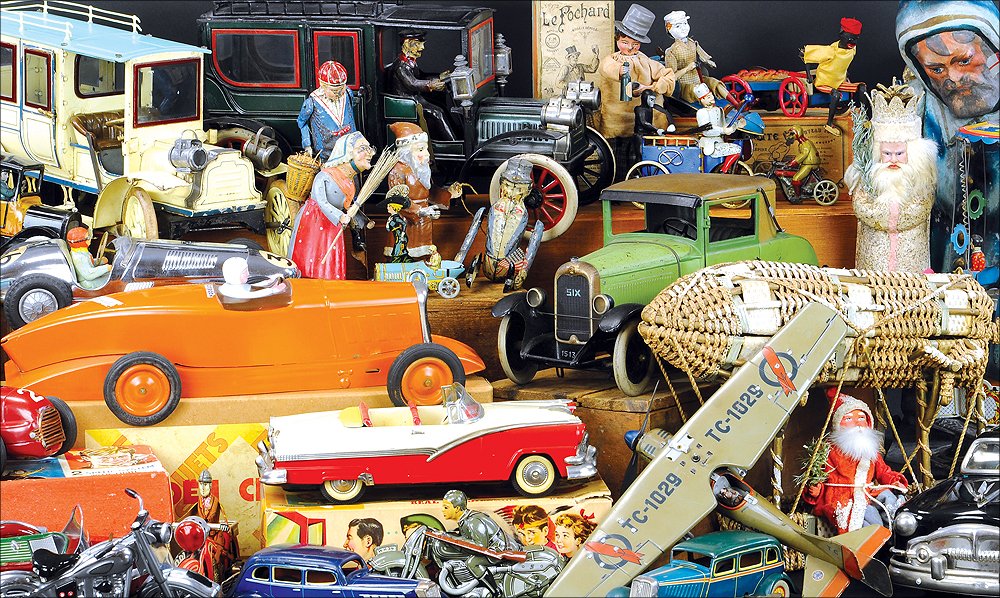

With each holiday season, marketers trot out shiny new gadgets promising to captivate children, yet it is the humble classics that are winning hearts and wallets. From tamagotchis and Easy‑Bake Ovens to Stretch Armstrong and Rubik’s Cubes, toys you played with decades ago are making a triumphant return. This nostalgic wave has created a fascinating marketplace where collectors and parents share the same toy aisle. In this blog I explore why these retro favorites are surging, how modern updates keep them fresh, and what it means for collectors and kids alike.
Parents and grandparents today were kids in the 1970s through the early 2000s, and they’re now the ones buying toys. Marketers call this dynamic nostalgia marketing—the idea that tapping into positive memories builds trust, comfort, and engagement. That familiar whiff of childhood evokes a simpler time, and psychological studies show that nostalgia can counteract anxiety and foster happiness. This year’s wave of throwback toys shows that companies have found a sweet spot between sentiment and innovation. For instance, Yes & Know invisible ink books—once a staple of road trips in the 1970s—returned with updated puzzles and pen‑in‑ink technology. Retro toys succeed because they remind adults of their own youth while offering modern features kids expect.
Some industry watchers note that nostalgia isn’t just for marketing. The global retro toy market topped $1.2 billion in 2025 and is projected to grow another 15 percent in 2026. Etsy searches for vintage toys have surged 40 percent year‑over‑year, and eBay lists certain 1990s icons for triple their original price. This boom stems from parents who want their children to experience screen‑free play, plus collectors who view toys as investments. Add in streaming shows like Stranger Things that showcase classic toys and you have a perfect storm of attention and demand.

Certain toys have never really disappeared. The Easy‑Bake Oven, introduced in 1963, still delights children, although newer models now use an electric heating element rather than a lightbulb. Stretch Armstrong—the gel‑filled action figure that stretches four to five feet—has been re‑released multiple times since the 1970s. Rubik’s Cube, originally launched in 1974, keeps evolving; modern versions include electronic timers and glowing cores. Tamagotchi digital pets and Rainbow Brite plush dolls are also back, tapping into the imagination of kids and the memories of parents.
| Toy | Original Debut | Modern Twist (2025–2026) |
|---|---|---|
| Easy‑Bake Oven | 1963 | Electric heating instead of bulbs; new baking mixes and digital timers |
| Tamagotchi | 1996 | Color screens, zooming dial to explore virtual worlds |
| Stretch Armstrong | 1976 | Gel filling stretches up to 4 feet and snaps back |
| Rubik’s Cube | 1974 | “Pulse Cube” adds a glowing timer and speed challenges |
| Rainbow Brite | 1983 | Plush doll with rainbow skirt and embroidered features |
| Yes & Know Invisible Ink | 1970s | Updated puzzles with modern printing and invisible ink tech |
| Stomp Rocket | 1992 | Kid‑powered rockets that soar up to 400 feet |
| Wheel of Fortune Electronic Game | 1980s | Handheld device with 300 puzzles and authentic sound effects |
Many familiar names are back on shelves with smarter and safer designs. Tamagotchi Paradise, for example, is the newest iteration of Bandai’s virtual pet. It features a color screen, a dial that lets you zoom in on your digital world, and the ability to dock into an accessory port. Each version offers different mini‑games and characters, making the experience as varied as a modern video game.
Rubik’s Cube Pulse Cube energizes the classic puzzle by challenging players to solve it before the glowing core’s light fades after 60 seconds. Pressing the logo resets the timer, adding a heartbeat‑like urgency. Not only does this appeal to speed‑cubers, but it also introduces younger players to timed gameplay. Rainbow Brite Plush Buddy keeps the beloved character’s bright colors and yarn hair while offering soft, huggable textures and premium embroidery. Meanwhile, Stomp Rocket remains battery‑free yet uses high‑performance foam rockets that can soar up to 400 feet, adding STEM elements that encourage kids to think about force and trajectory. These examples show how classic designs can integrate modern expectations without losing their charm.
Beyond revivals, there is a wave of next‑level interactivity. Robosen’s Toy Story Mini Robots transform Pixar characters into modular robots that walk, talk, and respond to voice commands. They combine robotics with app controls so kids can choreograph dances or re‑enact movie scenes. Wheel of Fortune Electronic Game adapts the popular TV show into a handheld game, allowing players to spin a digital wheel and solve over 300 official puzzles, complete with authentic sound effects.
Craft kits are another area experiencing a renaissance. Tie‑Dye Dotz sets let children press soft “dotz” into a sticky canvas to create vibrant designs, capturing a retro aesthetic without the mess. Spirograph kits and Lite‑Brite sets are returning with brighter LEDs and new templates, blending art and science for the TikTok generation. The trend suggests that analog activities are evolving into hybrid experiences that blend creativity with technology.
In an age dominated by screens, parents long for simpler play that fosters tactile skills and imagination. Many classic toys are intentionally screen‑free, forcing kids to build, bake, or solve puzzles without digital assistance. That tactile engagement not only improves fine motor skills but also encourages social interaction. Parents also appreciate the durability of these toys—an Easy‑Bake Oven or Stretch Armstrong can survive decades, which appeals to sustainability concerns and budgets.

Collectors, meanwhile, view vintage toys as investments. Limited re‑release editions of Tamagotchis or first‑generation Furby toys can fetch high prices on secondary markets. Sites like note that prices for certain 1990s figures have tripled; some sealed items even rival stocks in terms of returns. This speculative aspect draws adults who grew up with these toys, fueling competition for rare pieces. Yet most buyers simply enjoy the nostalgia; owning a piece of their childhood brings joy that goes beyond monetary value.
Speaking as both a writer and a parent, my rediscovery of classic toys has been deeply personal. When I bought my daughter a Tamagotchi Paradise last summer, I was reminded of the hours I spent caring for my virtual pet in middle school. The new version’s color screen and zoom dial made the experience feel sophisticated yet familiar. Similarly, watching my son launch a Stomp Rocket high into the air transported me back to afternoons in the park, chasing foam rockets under a blue sky. These moments strengthen family bonds and show that analog play still has a place in a digital world.
Collectors often debate which toys carry the highest value, but certain categories consistently stand out. Here is a list, in no particular order, of vintage items that can command impressive sums in the collector’s market:
This list illustrates how broad the field of collectables is. Many of these items share one quality: a strong emotional connection for those who owned them as children. If you plan to invest or Trade Collectibles in Ohio through a platform like KJ’s Collectables LLC, research and condition are key factors. Rare packaging, limited releases, and pristine accessories can significantly boost value.
For those inspired to start or expand a collection, it pays to know where to buy or sell. Sites like eBay and Etsy offer vast selections, but specialized retailers provide expert guidance and authenticated products. If you’re in the Midwest, you can Buy Collectibles or Trade Collectibles in Ohio through KJ’s Collectables LLC, a platform that curates toys, action figures, and games. Whether you’re after a mint‑condition Stretch Armstrong or a new edition Rainbow Brite plush, specialty dealers ensure authenticity. They also offer repair guides—see their article on What is the most profitable thing to collect? for insights on maximizing returns and preserving the value of your collection.
Online communities also play a major role. Social networks like Reddit and Facebook have thriving groups where collectors swap stories, share rare finds, and organize trades. Attending toy fairs and conventions can connect you with like‑minded fans and allow you to see items in person before purchasing. As with any market, knowledge is power; stay informed about trends and new releases to spot opportunities and avoid fakes.
The resurgence of classic toys isn’t just about playthings. It reflects broader cultural trends where comfort, sustainability, and shared experiences matter more than novelty alone. Businesses outside the toy industry can learn from this phenomenon by looking at how nostalgia triggers emotional responses. Restaurants bring back retro dishes, clothing brands reissue vintage styles, and even streaming services revive beloved shows. By blending heritage with innovation, companies can appeal to both long‑time fans and new audiences.
Educators also see value in classic toys as learning tools. Building sets and puzzles promote spatial reasoning and problem‑solving skills. Baking kits like the Easy‑Bake Oven teach patience, precision, and the basics of kitchen safety. In classrooms and therapy settings, tactile toys support fine motor development and sensory integration. The message is clear: analog play is not just charming; it is pedagogically powerful.
As we head into 2026, the toy aisle will continue to offer an intriguing blend of old and new. What excites me most is seeing how my children’s eyes light up when they discover toys that once enchanted me. The combination of quality craftsmanship, imaginative play, and modern enhancements ensures that these classics remain relevant. So whether you’re hunting for gifts, investing in collectibles, or simply reliving childhood memories, there has never been a better time to embrace What classic toys are making a comeback?.
