KJ's Collectables LLC.
Buy, Sell. Trade, Consign and More!
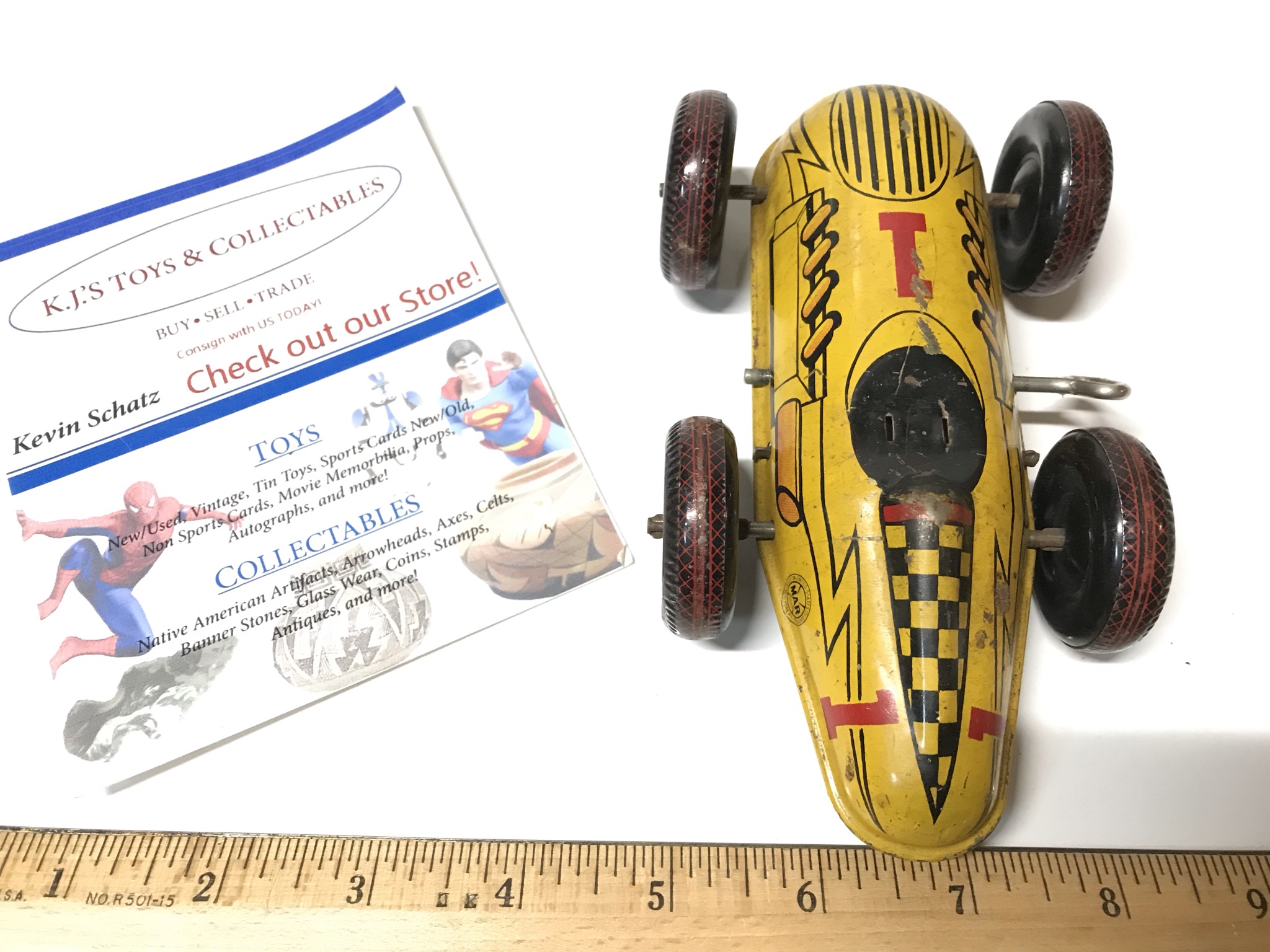
Collecting connects us to history, nostalgia, and community. As you browse antiques shows, shop online at KJ’s Collectables LLC., or chat with fellow enthusiasts, you may notice two spellings for the objects you admire: collectables and collectibles. Though they appear similar, each reflects a different nuance and regional preference. Understanding those distinctions can improve your listings, searches, and conversations.
Both terms come from collect, meaning to gather. Collectable traditionally refers to something worthy of being collected for its rarity, age, or historical value. Think of a misprinted stamp or a first‑edition novel. In most cases, collectable is an adjective emphasizing that the item’s scarcity or uniqueness may boost its value. Collectible, by contrast, is broader and covers anything people choose to collect. Figurines, trading cards, and modern toys are all collectibles. The term celebrates the act of collecting itself rather than inherent rarity.
Grammarians add a final nuance: collectable is primarily an adjective meaning “able to be collected,” as in “the forms are collectable at the end of class.” Collectible serves as both a noun and an adjective. You can say “rare collectible” or simply “a collectible” when referring to an item prized by fans. This difference in part of speech is one reason the spellings have diverged.
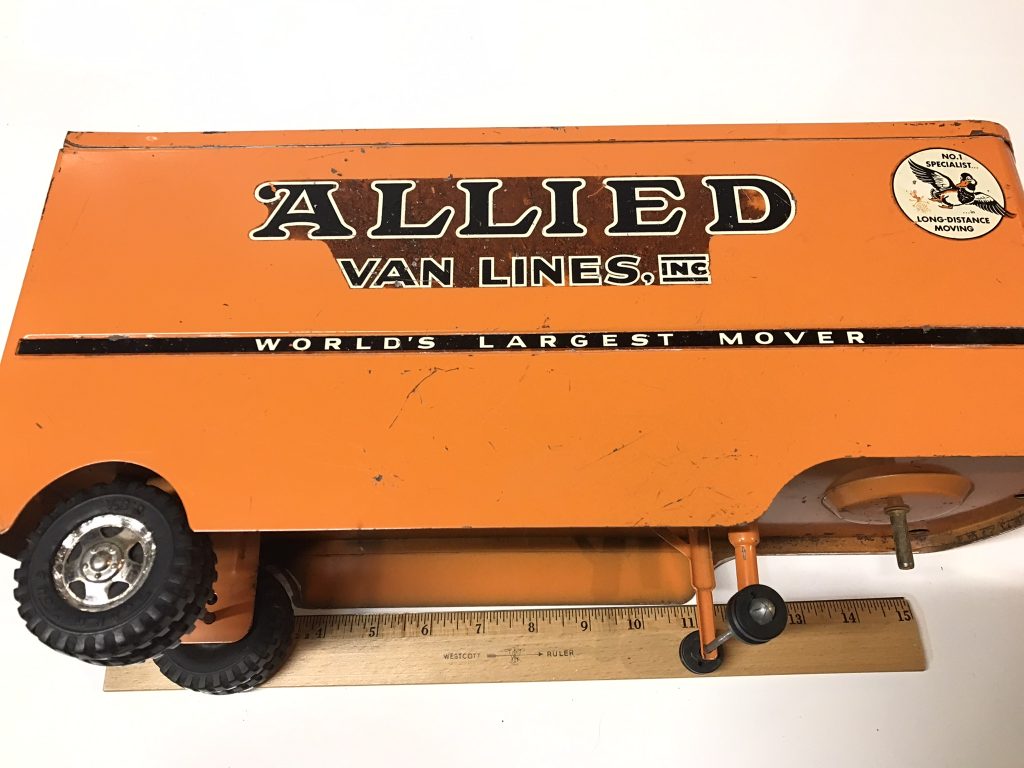
Spelling aligns with geography. In American English, collectible with an “i” dominates. Most U.S. price guides, classifieds, and marketplace listings use this version, and collectors searching for coins or comics should use it too. The variant collectable does exist, but it is far less common in the U.S.
In British English and other Commonwealth countries, collectable with an “a” is more widely used. British and Australian publications describe antiques or vintage toys as collectable, and this choice mirrors other regional spellings like colour and favourite. Neither spelling is incorrect; consistency matters more than correctness. If you write for an international audience, including both forms can help readers recognize your items regardless of their background.
Reference works acknowledge both spellings. Merriam‑Webster lists collectible as the primary adjective meaning “suitable for being collected” and notes collectable as an accepted variant. In its noun entry, it defines a collectible as “an object that is collected by fanciers”. The Oxford English Dictionary, which reflects British usage, favors collectable but recognizes collectible as a U.S. variant. These definitions show that usage, not meaning, drives the difference.
Pluralizing these words is straightforward: collectible becomes collectibles, and collectable becomes collectables. Interestingly, even some British writers use the “i” spelling in plural form. For example, dictionaries include phrases like “the shop sells antiques and various collectible items”.
| Spelling | Typical role | Example |
|---|---|---|
| collectable | Adjective | collectable debt |
| collectible | Noun/Adjective | collectible figurine |
| collectables/collectibles | Plural nouns | displaying collectibles |
A table like this can serve as a quick reminder when writing descriptions.

Proper storage preserves your treasures. A climate‑controlled room protects vinyl records, vintage toys, and posters purchased from KJ’s Collectables LLC. from warping or fading. Acid‑free sleeves and airtight cases help trading cards, comics, and coins last longer. Keeping organized notes on purchase dates and provenance adds value, especially if you follow a guide like How do I sell antiques and collectibles when it’s time to part with an item.
You don’t need a museum to enjoy your collection. Labeling shelves and displaying items in a dedicated space let you appreciate them daily and make them easier to share with friends or buyers. Proper care also communicates respect for the history and craftsmanship behind each piece, whether it’s deemed collectable or collectible.
Choosing between spellings is simpler once context is clear. Use collectable when describing something that can be collected in the sense of “ready for collection,” such as debts, assignments, or forms. In this usage, there is no suggestion of rarity or investment potential.
Use collectible when talking about items gathered for enjoyment or investment. Coins, comics, toys, and memorabilia fall into this category. Because collectible doubles as a noun, it can stand alone: “These comics are collectibles.” Sellers aiming at a U.S. market will benefit from using this form, and buyers searching online should include it in their queries.
Language reflects culture. In the United States, the growth of conventions and online marketplaces has embedded collectible into everyday vocabulary. American grammar guides emphasize that collectible works as both noun and adjective. Across the Atlantic, collectable remains prevalent as an adjective. Canada often blends the two, influenced by both British and American patterns.
Knowing these preferences can improve your search results. A buyer looking for collectables might miss listings labeled collectibles, and vice versa. Sellers who include both spellings in descriptions reach a broader audience. When I search for rare cards or vintage figurines, I always try both forms; it’s a simple step that prevents overlooked gems.
Spelling debates aside, collecting is about curiosity, preservation, and joy. Each item you add to your shelf carries a story—maybe a record that reminds you of a concert, a comic that sparked your imagination, or a coin that links you to family history. Sharing those stories at conventions, on forums, or through marketplaces like KJ’s Collectables LLC. connects you with people who understand that thrill. When you Trade Collectibles in Ohio or swap collectables at a local meet‑up, you become part of a welcoming community.
Grammar guides offer helpful rules, but passion fuels the hobby. Whether you collect action figures, coins, or postcards, enjoy the hunt and the friendships that form along the way. If you hesitate between collectables and collectibles, choose the form that suits your audience and move on. After all, the thrill of discovery is far more important than a single letter.