KJ's Collectables LLC.
Buy, Sell. Trade, Consign and More!

The best way to organize an inherited sports card collection before selling is to separate cards by sport, year, manufacturer, and potential value. Start by identifying valuable rookie cards, vintage cards, autographs, and limited editions. Then, document what you have, research recent sales, and protect valuable cards before approaching buyers.
Inheriting someone’s collection can be exciting, but it can also feel overwhelming. You might open a storage box containing thousands of baseball, football, or basketball cards without knowing where to begin. Some could be worth pennies, while others might carry surprising value. The biggest mistake is rushing to sell everything without understanding what’s inside. With a little organization and research, you can make informed decisions, avoid overlooking valuable cards, and find the right buyers.
The first step is understanding what you’ve inherited. Before checking prices or contacting collectors, create a simple system that separates potentially valuable cards from common ones. This makes the collection easier to manage and helps you determine which cards deserve closer attention.
You don’t need to catalog every card immediately. Instead, look through the collection and organize cards into manageable categories. A practical starting point includes:
For example, imagine inheriting five boxes of baseball cards spanning the 1970s through the early 2000s. Rather than researching every card individually, separate them by decade and identify recognizable players first. This approach makes the collection easier to evaluate without spending weeks researching cards that may have little resale value.
Original boxes, complete sets, and unopened packs can provide important information about a collection. Keep these materials together until you’ve determined whether they’re valuable. Even handwritten notes from the original collector can help identify special cards or explain how the collection was assembled.

Once you’ve completed an initial inventory, organize the cards according to their potential resale value. A helpful approach is creating three categories that separate high-value cards, moderately valuable cards, and common cards.
This category deserves the most attention. Look for vintage cards, rookie cards of notable athletes, autographs, low-numbered parallels, and cards featuring historically significant players. Place these cards in protective sleeves and rigid holders when appropriate. Avoid handling their surfaces because fingerprints, scratches, and bent corners can affect their condition.
These cards might not justify professional grading but could still attract collectors. Examples include popular players, complete subsets, desirable inserts, and certain modern rookie cards. Grouping them by team, player, or set can make them easier to sell.
Most large collections contain plenty of common cards, particularly those manufactured during the late 1980s and early 1990s. These cards were often produced in enormous quantities, limiting their individual resale potential. However, they can still be attractive to collectors purchasing complete sets or inexpensive bulk lots.
The goal isn’t to discard inexpensive cards. It’s to spend your time researching the cards most likely to justify the effort.
Digital tools can make managing thousands of cards considerably easier. Rather than relying entirely on handwritten lists, you can track your inventory and research potential values online. Several options are worth considering:
For someone inheriting a collection, I would start with a spreadsheet before investing significant time in specialized software. Record the player, year, card number, manufacturer, condition, and estimated selling price. Add a column for the storage box or binder location. That small detail can save hours when you’re searching for a particular card later.
Remember that automated scanning tools can misidentify variations or overestimate values. Always verify important cards manually.
Understanding Sports Card Collection Value requires more than looking up the biggest asking price online. Collectors generally care about rarity, condition, demand, authenticity, and recent comparable sales. A card might appear valuable because of its age or player, but its actual market value depends on what buyers are willing to pay.
A card listed for $500 isn’t necessarily worth $500. Instead, examine completed sales of the same card in similar condition. eBay’s Sports Card Price Guide uses completed transaction data to provide pricing information.
When comparing cards, pay attention to:
Consider two identical-looking rookie cards. One might have sharp corners and excellent centering, while the other has creases and visible wear. Their resale prices could differ substantially, even though they’re technically the same card.
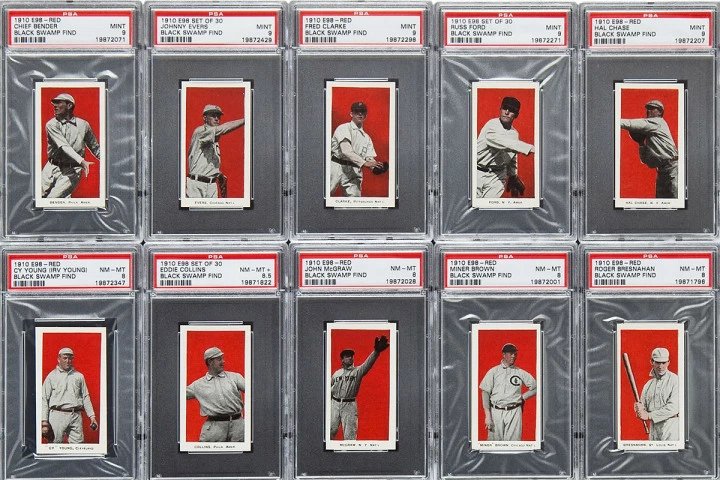
Professional grading evaluates authenticity and condition. Companies such as PSA use standardized grading scales that help buyers compare cards. However, grading isn’t automatically worthwhile, especially when the cost of grading approaches or exceeds the potential resale value.
For example, PSA announced a $39.99 Value grading service in October 2026. A card selling for $25 ungraded would generally be a poor grading candidate at that price, especially after considering shipping and selling expenses. Before paying for grading, compare the expected graded resale price with the total cost and the risk of receiving a lower grade.
For additional guidance, read Should You Get Your Sports Cards Graded Before Selling Them?.
The best selling strategy depends on the collection’s size, estimated value, and how quickly you want to sell. Selling cards individually usually requires more work but can generate greater total proceeds. Selling everything together is generally faster, although buyers typically expect a discount.
Imagine finding 3,000 common baseball cards alongside several valuable rookie cards. Selling the entire collection without separating those rookies could reduce your return. A better strategy might be selling the valuable cards individually while grouping common cards into affordable lots. You can also organize smaller lots around popular teams, players, or complete sets.
Individual listings require photographs, descriptions, communication, packaging, and shipping. If your collection contains thousands of inexpensive cards, those responsibilities can quickly become impractical.
Personally, I would prioritize researching valuable cards first, then decide whether the remaining collection warrants individual sales or a bulk offer. Taking that approach helps balance the potential selling price against the time required to complete each transaction.
Several types of buyers purchase Inherited Sports Cards, although their offers and buying preferences can differ considerably. Understanding the differences can help you decide which selling option makes the most sense for your collection.
Established card shops can be a convenient starting point, particularly when you’re unfamiliar with the hobby. Dealers may purchase entire collections or identify items worth evaluating separately. Because they need room for resale expenses and profit, their offers will generally be below expected retail prices.
At KJ’s Collectables, collectors and sellers can explore sports card resources and learn more about making informed selling decisions.
Private buyers sometimes pay competitive prices for cards that match their collecting interests. For instance, someone collecting Cleveland baseball cards might be more interested in a specialized team collection than a dealer purchasing mixed inventory. Connecting with collectors who appreciate a particular team or era can create additional selling opportunities.
Specialized auction houses may be appropriate for rare vintage cards or exceptionally valuable collections. Online marketplaces provide access to broader audiences but require additional work and may involve selling fees, returns, and shipping risks.
When deciding where to Sell Sports Cards, compare multiple offers and understand each buyer’s expectations. For potentially valuable collections, an independent appraisal may be worthwhile before accepting an offer.
Bulk sports card prices vary considerably based on age, condition, player selection, and demand. Common cards from heavily produced eras may sell for only a fraction of a cent each in large dealer transactions. More desirable vintage cards, modern inserts, and recognizable players can command substantially higher prices.
For example, one bulk sports card buyer’s published August 2026 rates listed approximately $1.50 for certain 5,000-count boxes of older baseball commons and $17.50 for qualifying recent football commons. These are specific wholesale buying rates, not universal market values.
The sports card industry experienced significant overproduction during parts of the late 1980s and early 1990s. This period is commonly called the junk wax era. Many cards from those years remain readily available, limiting their resale prices despite their age.
That doesn’t mean every card from the period is worthless. Certain rookies, rare variations, and exceptionally preserved examples still attract attention. Before accepting a bulk offer, identify any standouts and request pricing based on the collection’s actual contents.
There isn’t a universally verified ranking identifying the individual who owns the world’s most valuable sports card collection. Many significant collections are privately held, making their combined values difficult to establish. However, individual record-breaking sales demonstrate how valuable certain cards can become.
According to Guinness World Records, a one-of-one Michael Jordan and Kobe Bryant dual-autograph card sold for $12.932 million through Heritage Auctions in August 2025. That’s an extraordinary example, not a realistic expectation for most inherited collections.
Still, it illustrates why careful identification matters. A rare variation or historically important card can look surprisingly ordinary to someone unfamiliar with collecting.
Before accepting an offer, double-check your inventory, photograph valuable cards, and retain records of comparable sales. Also, confirm that you have the legal authority to sell the collection, particularly if an estate is still being administered. The IRS generally uses the property’s fair market value on the date of death as the starting tax basis for inherited assets, although exceptions apply.
Keep records of the inheritance, estimated values, and final sale proceeds. Most importantly, don’t feel pressured into selling immediately. An inherited collection may represent decades of someone’s enthusiasm for sports, and it deserves a careful evaluation.
Whether you’re managing a few hundred cards or an entire room of memorabilia, organizing everything first gives you a stronger foundation for determining value and negotiating a fair sale.