KJ's Collectables LLC.
Buy, Sell. Trade, Consign and More!
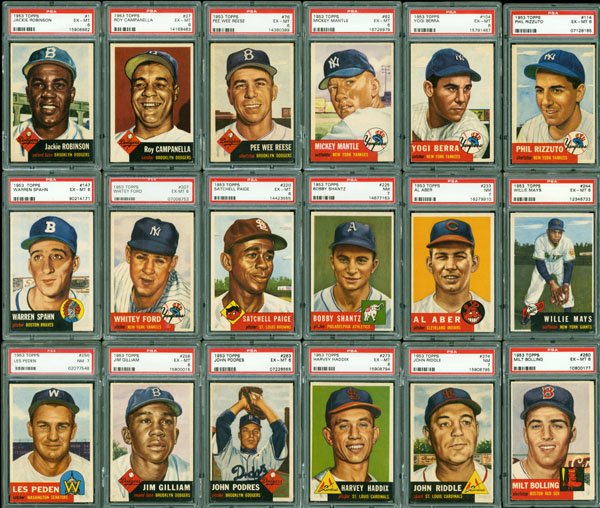
Should you get your sports cards graded before selling them? It depends on the card’s rarity, condition, potential resale value, and grading costs. Grading can increase buyer confidence and help valuable cards sell for more, but not every card benefits. Sometimes, selling an ungraded card is the smarter financial decision.
Before spending money on professional grading, it’s important to understand how the process works and whether the potential increase in value justifies the investment. A card that looks perfect to the naked eye may receive a lower grade than expected, affecting how much buyers are willing to pay.
The biggest advantage of professional grading is that it gives buyers an independent assessment of a card’s authenticity and condition. Companies like Professional Sports Authenticator (PSA) evaluate cards using standardized grading systems, helping collectors understand exactly what they’re purchasing. However, grading isn’t automatically the best choice for every collection.
At KJ’s Collectables, the focus is on helping collectors buy, sell, trade, and consign sports cards and memorabilia. Whether someone has inherited a collection or is preparing to sell cards they’ve owned for decades, identifying which cards deserve additional investment is an important first step.
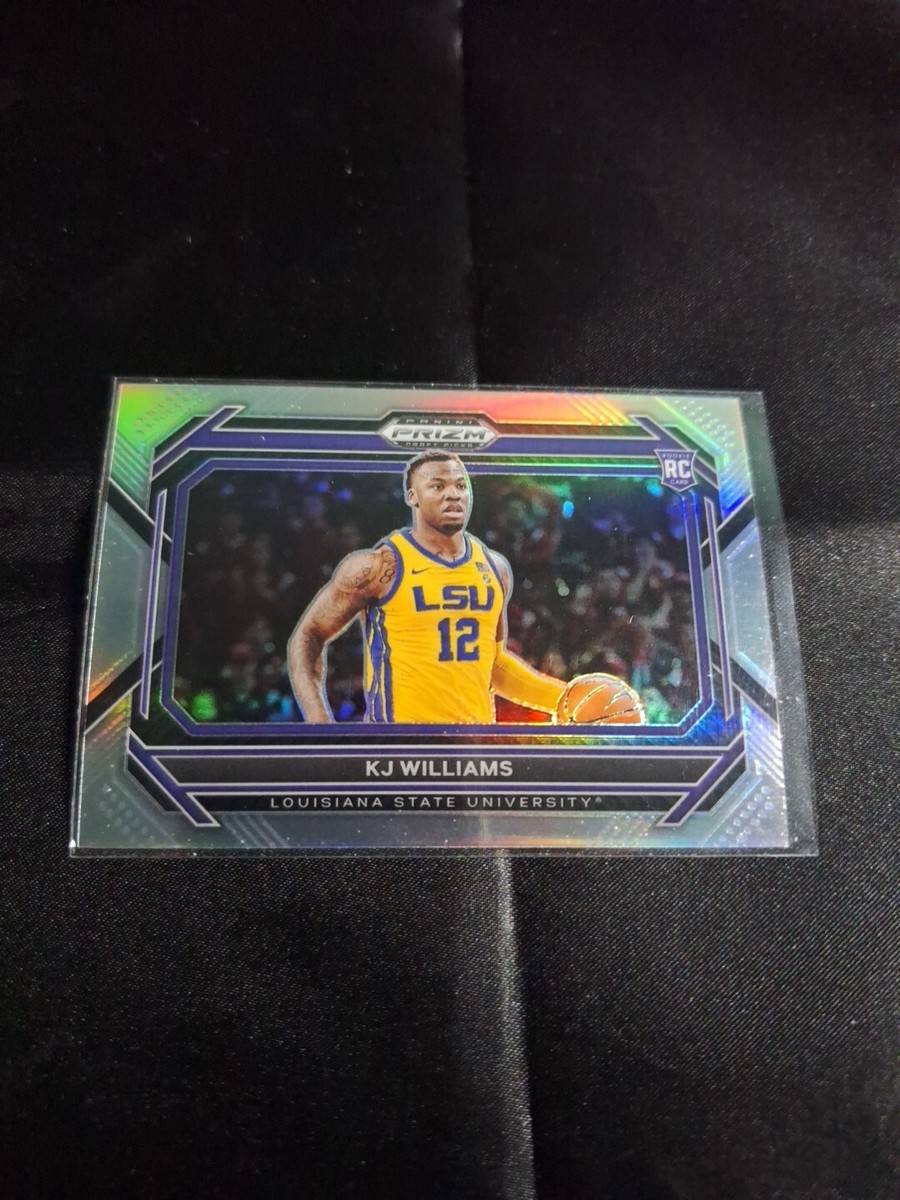
Consider two cards from the same collection. One is a rare rookie card in excellent condition, while the other is a common card with visible corner damage. Paying for professional grading might make financial sense for the rookie card, but the common card could cost more to grade than it’s worth.
Professional grading is generally worth considering when:
The important distinction is potential profit, not simply the highest possible selling price.
Sports Card Grading can influence resale value because collectors place a premium on verified condition. A professionally graded card also comes protected in a tamper-evident holder with identification information.
PSA uses a grading scale from 1 to 10, with 10 representing Gem Mint condition. A PSA 10 typically commands more than lower grades of the same card, although actual prices depend on rarity, demand, and availability.
The grading industry has grown considerably. In February 2026, PSA reported processing approximately 90,000 cards daily worldwide, compared with roughly 15,000 daily in 2021. That growth demonstrates substantial demand for authentication and grading services, although it doesn’t mean every graded card will appreciate.
Professional graders examine several physical characteristics:
Condition is only one factor influencing resale prices. Player popularity, scarcity, historical significance, and collector demand also matter. For a closer explanation, read What Determines the Value of a Sports Card?.
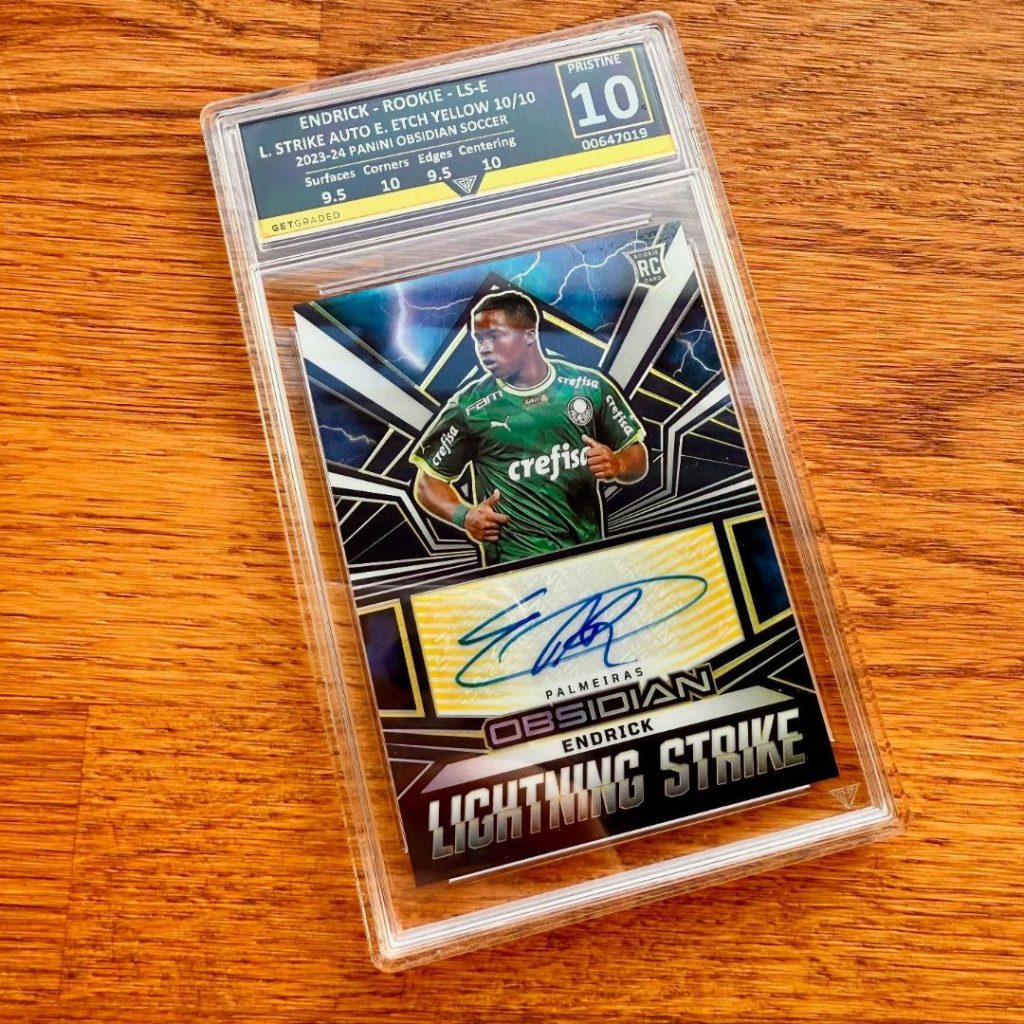
As of October 2026, PSA lists its Standard grading service at $59.99 per card, with a maximum insured value of $1,000. That makes it a potential option for a card valued at approximately $1,000, provided the declared value falls within the service limit.
PSA also offers a Priority service at $79.99 for cards with a maximum insured value of $1,500. Higher-value cards require more expensive service levels.
These figures represent grading fees only. Shipping, insurance, packaging materials, and possible adjustments to service charges can increase the total expense.
For example, suppose you own a card worth $1,000 ungraded. After researching comparable sales, you believe a PSA 9 might sell for $1,150 while a PSA 10 could bring $1,600. Grading could increase your return, but the outcome depends on the actual grade received.
A PSA 8 might sell for less than the original ungraded estimate. That’s why checking completed sales across multiple grades matters before submitting a card.
For the exact same card, a PSA 10 is generally worth significantly more than a PSA 1. A PSA 10 represents virtually perfect condition, while a PSA 1 indicates substantial wear or damage. Still, there are exceptions involving extremely rare vintage cards.
An authentic PSA 1 example of a historically important baseball card may sell for thousands of dollars because collectors want the card regardless of its condition. Meanwhile, a PSA 10 common modern card could sell for considerably less.
This doesn’t mean poor condition increases value. It means rarity and collector demand can outweigh condition when comparing different cards.
For vintage collections, authentication alone can sometimes provide meaningful reassurance. Collectors may accept heavy wear on a card that’s difficult to find, especially if concerns about counterfeiting exist.
Yes. Receiving a PSA 10 can be difficult because even small imperfections may prevent a card from achieving the highest grade.
PSA’s standards generally require sharp corners, original gloss, attractive centering, and an exceptionally clean surface. Its published standards allow approximately 55/45 front centering for a PSA 10, along with other strict condition requirements.
A freshly opened card isn’t automatically perfect. Manufacturing defects, packaging damage, and minor surface scratches can exist before anyone handles it.
Imagine opening a sealed pack and finding a promising rookie card. The corners look sharp, the surface appears clean, and the card goes immediately into a protective sleeve. Everything seems right.
However, closer inspection under bright lighting reveals a tiny surface indentation or slight edge defect. Those imperfections could prevent the card from earning a PSA 10.
Before submitting valuable cards, examine them carefully under good lighting without repeatedly handling their surfaces. Use clean hands, protective sleeves, and appropriate card holders to minimize additional damage.
A card worth approximately $400 could qualify for lower-cost PSA grading services, depending on which options are currently available.
In October 2026, PSA’s Value and Value Bulk services, which have maximum insured values of $500, are temporarily paused. Its listed Standard service costs $59.99 per card and accommodates cards valued up to $1,000.
That fee represents nearly 15% of a $400 card’s ungraded value before additional expenses.
Consider a card worth $400 ungraded that might sell for $500 after receiving a PSA 9. If grading, shipping, and insurance total $80, the potential increase before selling fees is only $20. A disappointing grade could eliminate that margin entirely.
If you’re preparing to Sell Sports Cards, compare several recently completed transactions rather than relying on active listing prices. Sellers can ask whatever they want, but completed sales reveal what buyers actually paid.
For a card valued at approximately $10,000, PSA currently lists its Premier grading service at $599 per card, with a maximum insured value of $10,000.
Cards exceeding that threshold may require a premium service level. PSA lists Premium 1 at $999 for cards with a maximum insured value of $25,000.
While these fees are substantial, grading may be worthwhile for particularly valuable cards where authentication and condition certification influence buyer confidence.
A rare vintage card, scarce rookie autograph, or historically significant collectible may attract serious buyers who prefer independent verification before making a major purchase. However, grading isn’t a substitute for understanding market demand.
A $10,000 card won’t automatically become more desirable simply because it’s professionally graded. Compare the same card across relevant grades and account for auction fees, insurance, and potential market fluctuations.
For current pricing and service eligibility, review PSA’s official grading services.
The simplest way to determine whether grading is worthwhile is to compare your expected profit with the cost of grading.
Start by identifying the exact card, including its year, manufacturer, set, card number, and variation. Then research sales of ungraded examples and cards graded PSA 8, 9, and 10.
Consider this hypothetical example:
In this situation, grading provides no additional profit at the assumed PSA 9 price. If the card receives a PSA 8, the seller could lose money.
The calculation becomes more attractive when the difference between ungraded and graded prices is substantial. Even then, the likelihood of receiving each grade should influence your decision.
Time matters, too. PSA turnaround estimates can extend across several months, depending on the service selected. An athlete’s performance, market interest, or collector demand may change while you’re waiting.
Selling cards raw, meaning without professional grading, often makes sense when you want to avoid upfront costs or have a large collection containing cards of mixed value.
For collectors sorting through hundreds of cards, grading every item can become expensive quickly. It’s usually more practical to separate potentially valuable cards from commons and lower-value duplicates.
This is especially relevant when someone inherits a collection without knowing much about its contents. A box containing thousands of cards doesn’t necessarily contain thousands of individually valuable collectibles.
Working with an experienced collectibles buyer can help identify cards worth researching before committing money to grading.
KJ’s Collectables buys, sells, trades, and consign collectibles, including sports cards and memorabilia. Its services cover individual collectibles as well as larger collections and estates.
Ultimately, understanding your Sports Card Value before grading is more important than having every card professionally certified.
Getting your sports cards graded before selling can be a worthwhile investment, particularly for rare, high-demand cards in excellent condition. But grading costs, uncertain results, and changing market prices can make selling ungraded cards the better option.
Before making that decision, research completed sales, inspect the card’s condition, and consider the full cost of selling. A professional opinion can also help when you’re dealing with an unfamiliar or inherited collection.
If you’re unsure where to begin, KJ’s Collectables can help you explore options for selling, trading, or consigning your sports cards and memorabilia.