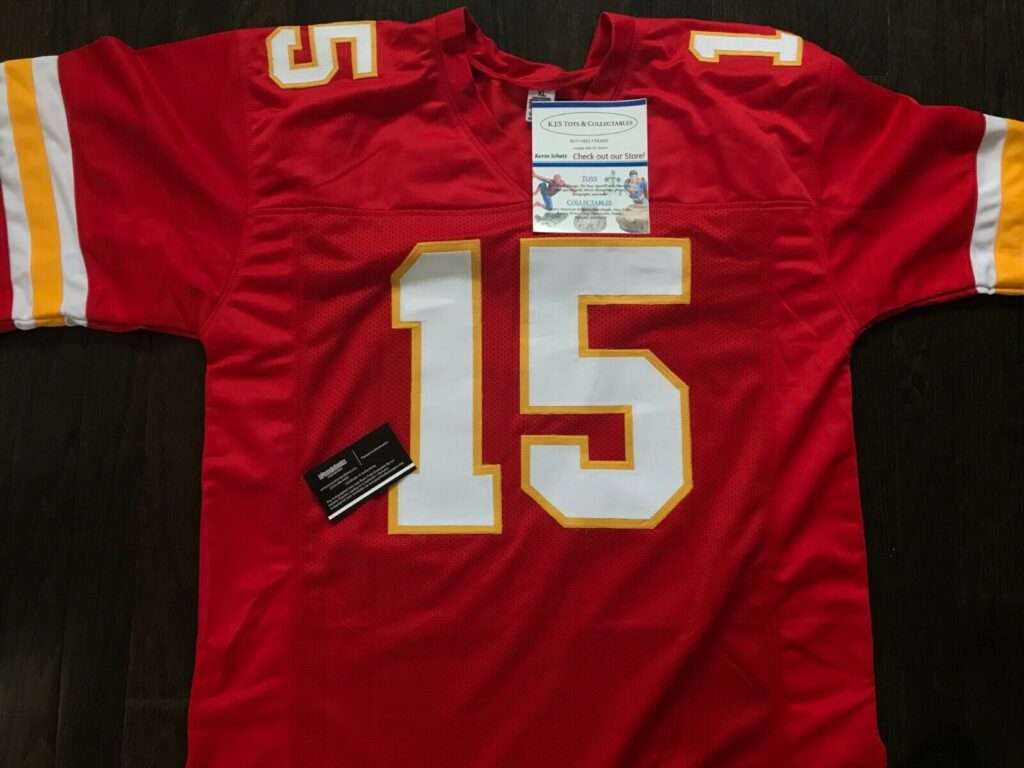
KJ's Collectables LLC.
Buy, Sell. Trade, Consign and More!
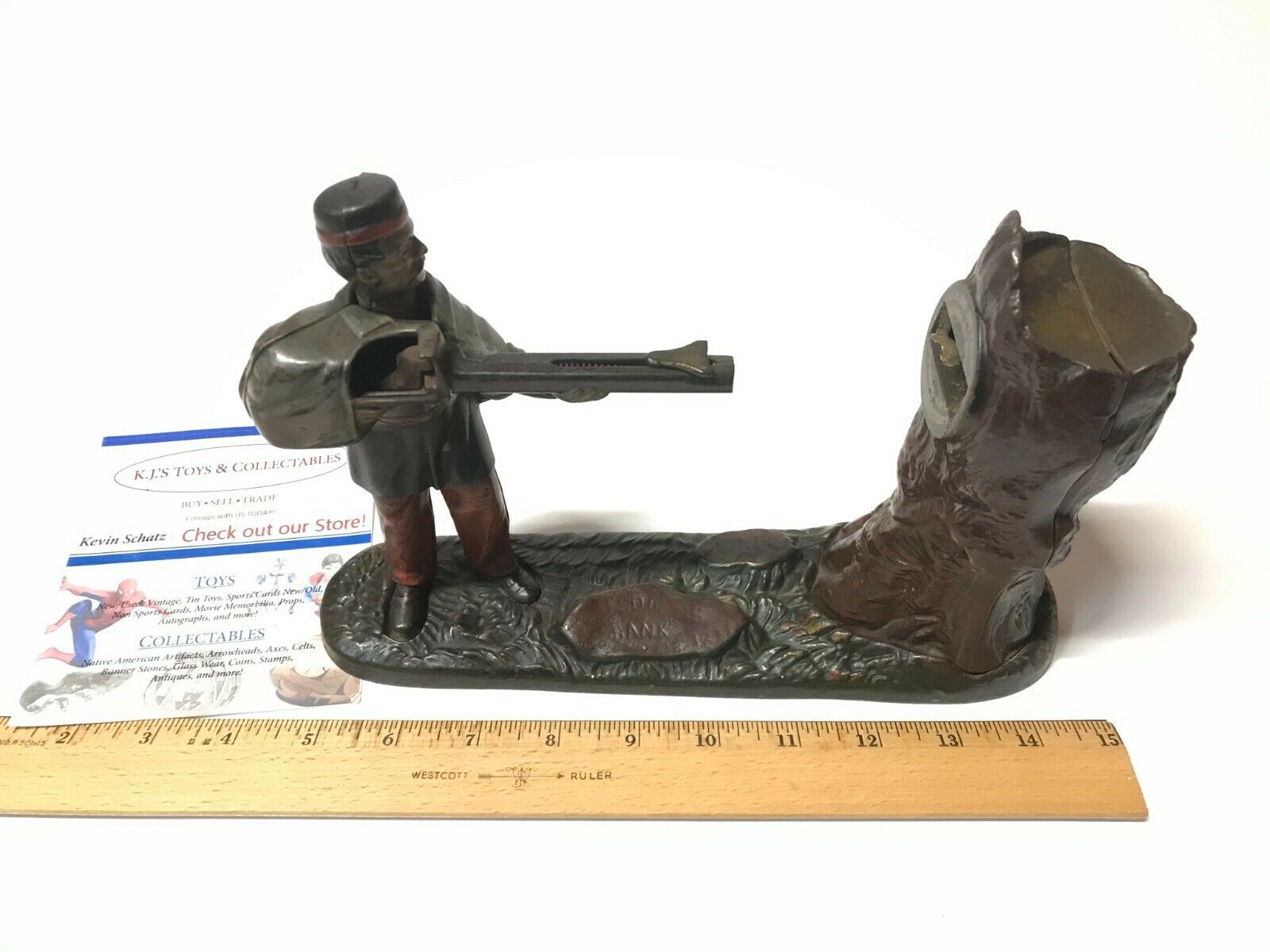
From inherited coin collections to curated art, your treasures carry stories that deserve an appreciative audience. Consignment is more than dropping off items at a shop; it’s a way to unlock value, reduce clutter and reach buyers who value what you’ve loved. In this guide, I’ll explain how to consign, how to choose the right partner, what fees to expect and when donating or selling outright makes more sense. By the end you’ll know exactly how to consign collectables and maximise their worth without unnecessary stress.
Consignment is a partnership in which you retain ownership while an auction house or dealer sells your items for a percentage of the final price. Commission splits vary: shops often keep 25%–60% and high‑value pieces land around 40%–50%. On a $100 sale you might net about $60, reflecting the classic 60:40 arrangement. You pay no upfront fees; the consignee earns only when your collectables do, so their interests align with yours. With second‑hand shopping booming, consignment connects your treasures to serious buyers without the headaches of listing and negotiating yourself. If you’re new to the process, remember: We Consign a Large Variety of Your Collectables—see how KJS handles everything from art to memorabilia.

Not all auction houses or shops are equal. Some specialise in fine art, others in coins or jewellery. Look for a firm whose expertise matches your collection and whose marketing channels reach the right audience. Ask about reputation, commission structures, photography and insurance fees. A good partner explains terms clearly before you sign a contract and offers transparent pricing. If you’re ready to hand off your collection, our Consign Your Collectables service handles the details so you can focus on what matters.
Begin with a careful inventory. List each item’s condition, age, provenance and any maker’s marks; gather receipts or past appraisals. Send clear photos for preliminary evaluation. Avoid over‑cleaning—polishing coins or refinishing wood can decrease value. For antiques, the U.S. 100‑year rule applies: items must be at least a century old to qualify, a threshold rooted in the 1930 Smoot‑Hawley Tariff Act. Consider broad categories: fine art, jewellery, rare coins, historical artifacts and high‑end décor. We Consign a Large Variety of Your Collectables, so don’t hesitate to ask for an assessment if you’re unsure what belongs in which category.
The right selling method depends on your goals. Direct sales through marketplaces provide quick cash but require you to price, ship and negotiate. Dealers pay immediately yet offer less, because they take on resale risk. Consignment offers global exposure and professional marketing—auction houses promote your pieces and competitive bidding sets the price. Before deciding, evaluate your timeline, the uniqueness of your items and your tolerance for risk. For a deeper comparison of options, explore Where is the best place to sell my Collectables—it details auctions, dealers and online venues.
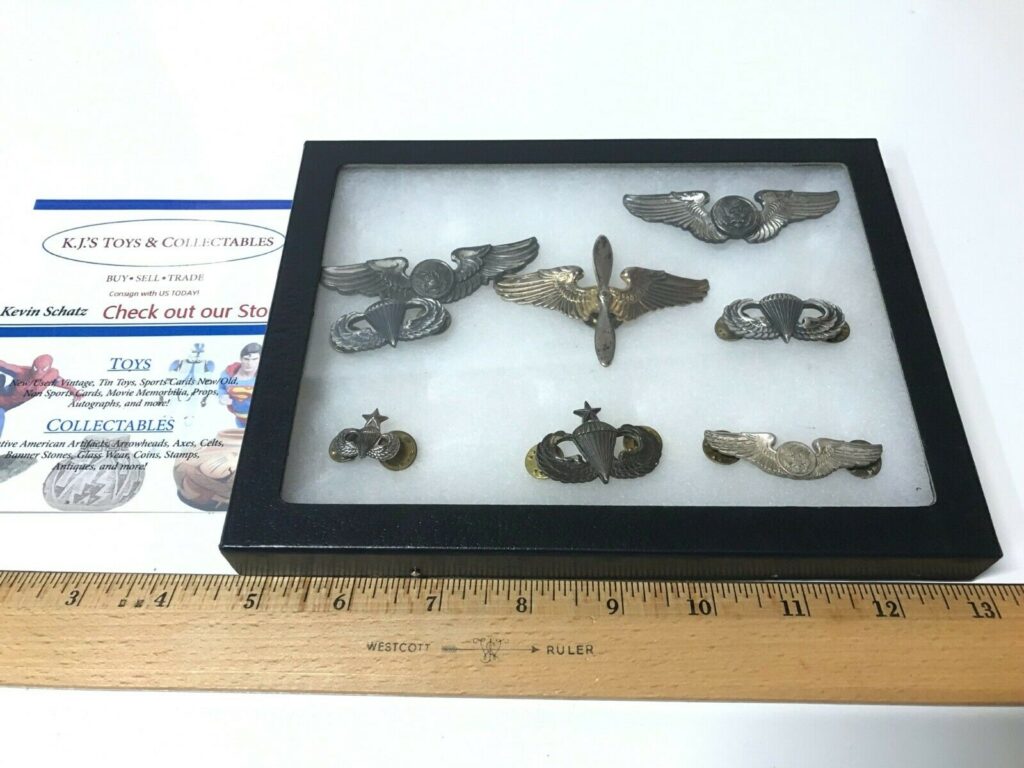
Not everything merits consignment. If pieces hold sentimental value but clutter your space, donating them can be rewarding. Organisations like Collectibles with Causes accept antiques, artwork, instruments and offer fair market tax deductions. Donation keeps items out of landfills and supports education and community programs. For clothes and household goods, Project B Green suggests donating gently used items—charities often reject large appliances or damaged furniture. If charities can’t take bulky items, sell them locally; yard sales or online classifieds move them along without the hassle of shipping. Finally, recycle or responsibly dispose of broken or heavily worn pieces.
Once you decide to consign, follow a straightforward process. Submit descriptions and photos for a preliminary review. If accepted, the house may conduct an in‑person appraisal before offering a consignment contract detailing commission rates, auction dates, marketing costs and reserve prices. After signing, professionals handle photography, cataloguing and promotion. Your item then appears in a live or online auction, and the highest bid determines the sale price. Payment, minus fees, typically arrives within about 30 days. Unsold items are usually relisted or returned, so the risk remains low. For an in‑depth breakdown, check out this auction consignment process article—it’s an excellent external resource.
Age matters when selling collectables. In the U.S., an item must be at least 100 years old to be legally classified as an antique. This century‑old benchmark, enshrined in the Smoot‑Hawley Tariff Act, influences customs duties and insurance valuations. Other countries set different thresholds—some European nations use 50 years for certain categories, while antique vehicles qualify at 25 years. Distinguish antiques from vintage items (20–99 years old) and retro pieces (modern objects designed to look old). Knowing these rules helps you describe your collectables accurately and avoid surprises when crossing borders or insuring your collection.
Preparation ensures your items fetch strong prices. Store them in a clean, dry space and pack them carefully for transit. Some auction houses include insurance and professional photography in their commission, while others charge additional fees—clarify this before signing. Timing is also strategic: themed auctions and seasonal demand can boost returns, so allow time for scheduling and marketing. Remember that market trends, condition and rarity will influence final prices. Patience pays off; an unsold item may succeed in a future auction or alternative venue.
| Consignment Category | Commission Split Range | Typical Additional Fees |
|---|---|---|
| High‑value art & antiques | 40%–50% | Insurance, photography, cataloguing |
| Mid‑range collectibles | 25%–40% | Listing fees, appraisal services |
| General merchandise | 20%–70% | Cleaning or repair fees |
Conclusion
Consigning collectables involves research, preparation and trust. By understanding commission splits, choosing a reputable partner and following the 100‑year rule, you can turn cherished items into cash or donate them for a good cause. Whether you opt for auction, direct sale or donation, the goal is to honour your collection’s story while freeing space for new adventures. We Consign a Large Variety of Your Collectables, so if you’re ready to begin, feel free to Consign Your Collectables with us. With thoughtful planning and realistic expectations, consignment transforms letting go into a rewarding journey today.